One day after discovery, Meta pulls facial recognition code from its smart glasses
Meta won't say why or whether it's coming back.
Signal weather
Rising
Momentum is building quickly, so this card is a good early entry point into the topic.
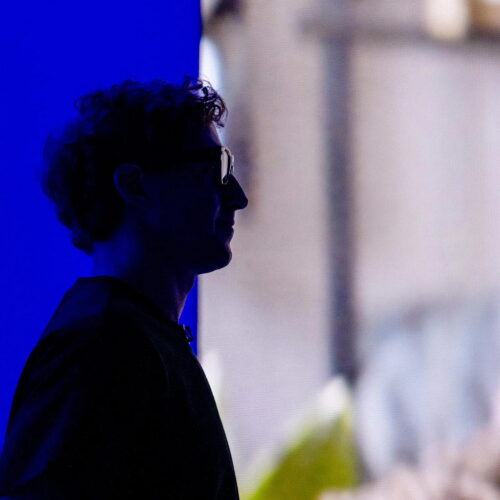
One day after WIRED revealed that Meta had quietly embedded an unreleased face-recognition system into an app installed on more than 50 million phones, the company removed it, according to a WIRED analysis of the latest version’s code. The most recent version of Meta AI, a companion app for its line of smart glasses, strips out the unactivated software components that powered the system Meta internally called NameTag. The version published the day of WIRED’s report included several code libraries explicitly named for face recognition. Friday’s release includes none of them. Andy Stone, Meta's vice president of communications, told WIRED on Monday that the feature is purely exploratory, adding: “No final decision has been made on what to do here, if anything.”Read full article Comments
Stay on the signal
Follow One day after discovery, Meta pulls facial recognition code from its smart glasses
Follow this story beyond a single article: new follow-ups, adjacent sources, and the evolving storyline.
Story map
Understand this topic fast
A quick entry into the story: why it matters now, who is involved, and where to go next for context.
Why it matters now
Topic constellation
Open the live map for this story
See which entities, story threads, sources, and follow-up articles shape this story right now.
Click nodes to continue
Entity pages
Story timeline
Continue with this story
A short sequence of events and follow-up stories to understand the arc quickly.
How reliable this looks
Signal and trust for Ars Technica
This source works at a rapid pace: 100% of recent stories land in the hot window, and 0% carry visible search signal.
Reliability
92
Freshness
100
Sources in storyline
1
Related articles
More stories that share tags, source, or category context.
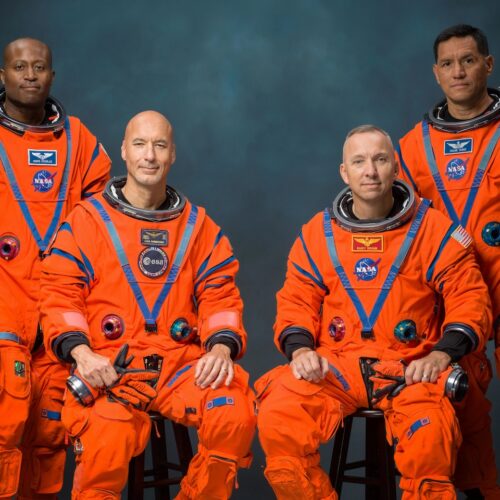
NASA assigns crew for Artemis III, sets aggressive timeline for flying it
"Artemis III will be an extraordinary demonstration of what is possible."
Signal weather
Momentum is building quickly, so this card is a good early entry point into the topic.
Why now
Fresh coverage with immediate momentum.
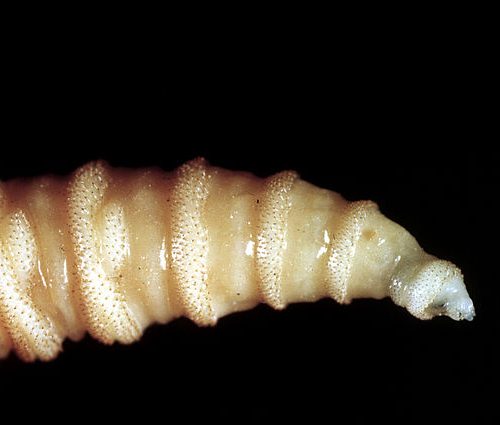
Screwworms in US: Human risk is low—but they can burrow through your skull
The chances are low, but not zero.
Signal weather
Momentum is building quickly, so this card is a good early entry point into the topic.
Why now
Fresh coverage with immediate momentum.

High-severity vulnerability in Linux caused by a single faulty character
Use-after-free bug can be exploited to evade sandbox defenses.
Signal weather
Momentum is building quickly, so this card is a good early entry point into the topic.
Why now
Fresh coverage with immediate momentum.

Gold isn’t inert, it just has bodyguards protecting it
Individual gold atoms move around to form oxidation-proof structures.
Signal weather
Momentum is building quickly, so this card is a good early entry point into the topic.
Why now
Fresh coverage with immediate momentum.
More from Ars Technica
Fresh reporting and follow-up coverage from the same newsroom.
NASA assigns crew for Artemis III, sets aggressive timeline for flying it
"Artemis III will be an extraordinary demonstration of what is possible."
Signal weather
Momentum is building quickly, so this card is a good early entry point into the topic.
Why now
Fresh coverage with immediate momentum.
Screwworms in US: Human risk is low—but they can burrow through your skull
The chances are low, but not zero.
Signal weather
Momentum is building quickly, so this card is a good early entry point into the topic.
Why now
Fresh coverage with immediate momentum.
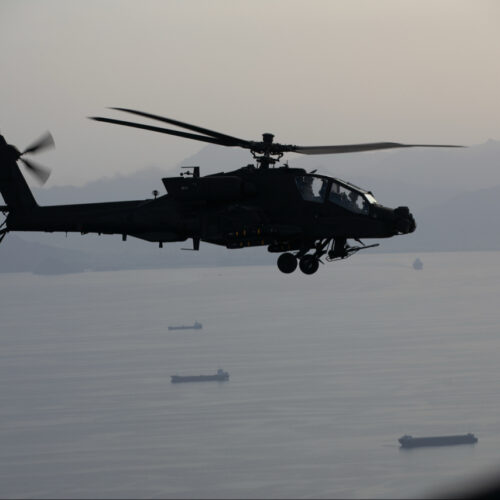
Drone boat picked up downed US Army helicopter pilots—a first for sea rescues
US Navy’s Task Force 59 achieved the drone rescue at sea near Strait of Hormuz.
Signal weather
Momentum is building quickly, so this card is a good early entry point into the topic.
Why now
Fresh coverage with immediate momentum.
High-severity vulnerability in Linux caused by a single faulty character
Use-after-free bug can be exploited to evade sandbox defenses.
Signal weather
Momentum is building quickly, so this card is a good early entry point into the topic.
Why now
Fresh coverage with immediate momentum.