Carbon nanotube wiring gets closer to competing with copper
While this material degrades over time, it could point to better ones.
Signal weather
Stable
The story has moved beyond the first headline and now acts as a reliable context anchor.
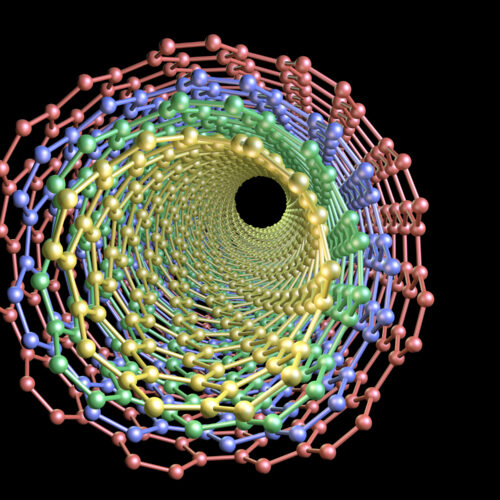
Shortly after their discovery, carbon nanotubes seemed to be a material wonder. There were metallic and semiconducting forms; they were tiny and incredibly light; and they could only be broken by tearing apart chemical bonds. The ideas for using them seemed endless. But then the reality of working with them set in. It was hard to get a pure population of metallic or semiconducting forms. Synthesis techniques tended to produce a tangle of mostly short nanotubes; those that extended for more than a couple of centimeters remain rare. And while the metallic version offered little resistance to carrying electric current, it was hard to send many electrons down the nanotube. Materials scientists, however, are a stubborn bunch, and they're still trying to get them to work. Today's issue of Science includes a paper describing the addition of a chemical to carbon nanotube bundles to boost their ability to carry current to levels closer to those of copper. While the more conductive nanotubes weren't stable, the discovery may point the way toward something with a longer shelf life. Read full article Comments
Stay on the signal
Follow Carbon nanotube wiring gets closer to competing with copper
Follow this story beyond a single article: new follow-ups, adjacent sources, and the evolving storyline.
Story map
Understand this topic fast
A quick entry into the story: why it matters now, who is involved, and where to go next for context.
Why it matters now
Topic constellation
Open the live map for this story
See which entities, story threads, sources, and follow-up articles shape this story right now.
Click nodes to continue
Entity pages
Story timeline
Continue with this story
A short sequence of events and follow-up stories to understand the arc quickly.
How reliable this looks
Signal and trust for Ars Technica
This source works at a rapid pace: 100% of recent stories land in the hot window, and 0% carry visible search signal.
Reliability
92
Freshness
100
Sources in storyline
2
Related articles
More stories that share tags, source, or category context.

Ted Cruz and Ron Wyden try to fight censorship with bipartisan JAWBONE Act
Cruz/Wyden bill would help Americans sue federal officials over censorship.
Signal weather
Momentum is building quickly, so this card is a good early entry point into the topic.
Why now
Fresh coverage with immediate momentum.
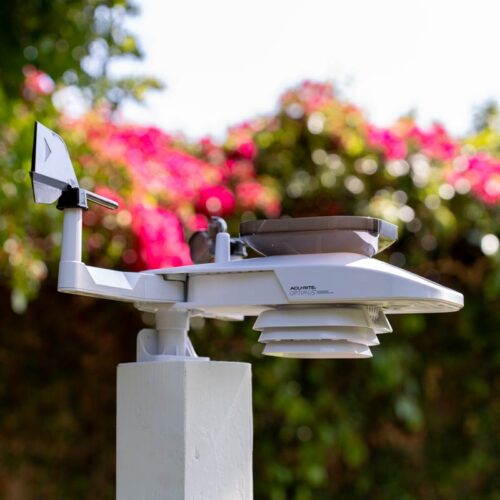
AcuRite admits new app falls short, delays old app’s May shutdown to fix problems
The old app "still needs to be retired," AcuRite tells us.
Signal weather
Momentum is building quickly, so this card is a good early entry point into the topic.
Why now
Fresh coverage with immediate momentum.
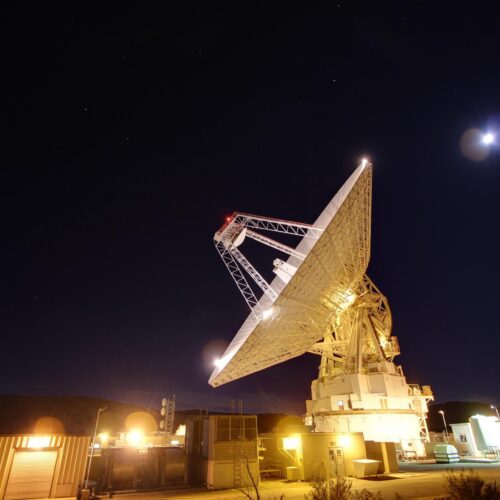
After nearly breaking, NASA's Deep Space Network "worked well" on Artemis II
"Some missions are using more than what their paperwork would say."
Signal weather
Momentum is building quickly, so this card is a good early entry point into the topic.
Why now
Fresh coverage with immediate momentum.
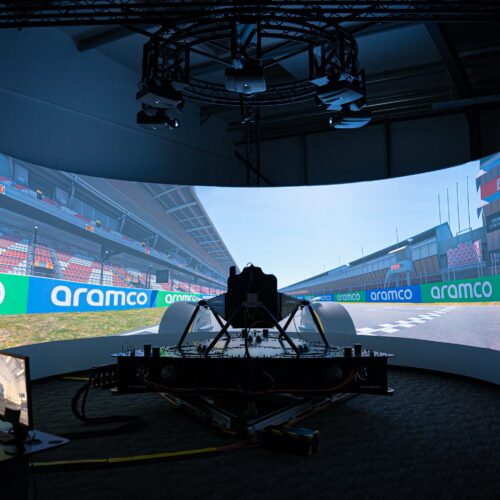
F1 teams spend millions on their simulators—what makes them different?
Latency, bandwidth, and fidelity all matter when you're chasing milliseconds.
Signal weather
Momentum is building quickly, so this card is a good early entry point into the topic.
Why now
Fresh coverage with immediate momentum.
More from Ars Technica
Fresh reporting and follow-up coverage from the same newsroom.
Ted Cruz and Ron Wyden try to fight censorship with bipartisan JAWBONE Act
Cruz/Wyden bill would help Americans sue federal officials over censorship.
Signal weather
Momentum is building quickly, so this card is a good early entry point into the topic.
Why now
Fresh coverage with immediate momentum.
AcuRite admits new app falls short, delays old app’s May shutdown to fix problems
The old app "still needs to be retired," AcuRite tells us.
Signal weather
Momentum is building quickly, so this card is a good early entry point into the topic.
Why now
Fresh coverage with immediate momentum.
After nearly breaking, NASA's Deep Space Network "worked well" on Artemis II
"Some missions are using more than what their paperwork would say."
Signal weather
Momentum is building quickly, so this card is a good early entry point into the topic.
Why now
Fresh coverage with immediate momentum.
F1 teams spend millions on their simulators—what makes them different?
Latency, bandwidth, and fidelity all matter when you're chasing milliseconds.
Signal weather
Momentum is building quickly, so this card is a good early entry point into the topic.
Why now
Fresh coverage with immediate momentum.