Clinical trial shows gene editing works for β-Thalassaemia, too
Improved gene editing process reactivates the fetal version of a hemoglobin gene.
Signal weather
Stable
The story has moved beyond the first headline and now acts as a reliable context anchor.
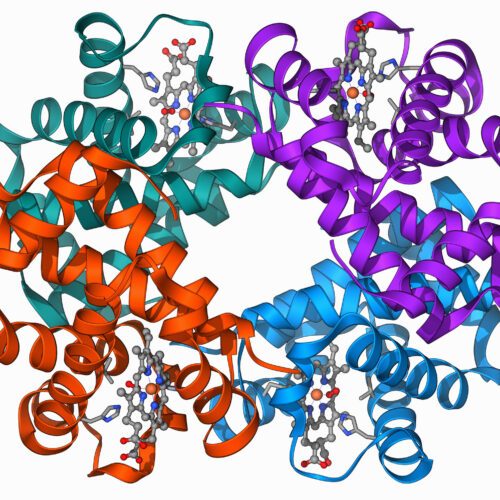
Almost as soon as researchers started exploring the capabilities of the CRISPR/Cas9 system, they recognized its potential use in targeted gene editing. But the intervening decades have seen slow progress as people worked to determine how to do so in a way that would be safe for use in humans. It was only a little over two years ago, decades after CRISPR's discovery, that the FDA approved the first CRISPR-based therapy, for sickle-cell anemia. Now, following up on that success, a large Chinese collaboration has followed up with a description of an improved gene editing system that produces more focused changes and fewer mistakes. And they've used it to produce a therapy that addresses a disease that's closely related to sickle-cell anemia: β-Thalassaemia. Gene editing and its limits The CRISPR/Cas-9 system provides bacteria with a form of immunity. It uses specially structured RNAs (called guide RNAs) that can base-pair with a targeted sequence. The Cas-9 protein then recognizes this structure and cuts the DNA nearby. This is quite effective when the guide RNA can base-pair with a DNA virus, as the resulting cut will inactivate the virus. Read full article Comments
Stay on the signal
Follow Clinical trial shows gene editing works for β-Thalassaemia, too
Follow this story beyond a single article: new follow-ups, adjacent sources, and the evolving storyline.
Story map
Understand this topic fast
A quick entry into the story: why it matters now, who is involved, and where to go next for context.
Why it matters now
Topic constellation
Open the live map for this story
See which entities, story threads, sources, and follow-up articles shape this story right now.
Click nodes to continue
Entity pages
Story timeline
Continue with this story
A short sequence of events and follow-up stories to understand the arc quickly.
How reliable this looks
Signal and trust for Ars Technica
This source works at a rapid pace: 100% of recent stories land in the hot window, and 0% carry visible search signal.
Reliability
92
Freshness
100
Sources in storyline
1
Related articles
More stories that share tags, source, or category context.
Grifters, cynics, and true believers: The family tree of vaccine opponents
A new book looks into the long history of people who have opposed vaccines.
Signal weather
Momentum is building quickly, so this card is a good early entry point into the topic.
Why now
Fresh coverage with immediate momentum.
Environmentalists turn out in force to oppose Trump coal ash rollbacks
Trump admin wants to rely on states for coal ash monitoring, enforcement, allow them to bypass national standards.
Signal weather
Momentum is building quickly, so this card is a good early entry point into the topic.
Why now
Fresh coverage with immediate momentum.

Proposed new US funding rules: We can cancel any grant at any time
Peer review now optional, political staff would screen grants for forbidden topics.
Signal weather
Momentum is building quickly, so this card is a good early entry point into the topic.
Why now
Fresh coverage with immediate momentum.
Kenyan court blocks Trump admin from dumping Ebola-exposed Americans there
The US has previously built specialized facilities just for this purpose.
Signal weather
Momentum is building quickly, so this card is a good early entry point into the topic.
Why now
Fresh coverage with immediate momentum.
More from Ars Technica
Fresh reporting and follow-up coverage from the same newsroom.
Grifters, cynics, and true believers: The family tree of vaccine opponents
A new book looks into the long history of people who have opposed vaccines.
Signal weather
Momentum is building quickly, so this card is a good early entry point into the topic.
Why now
Fresh coverage with immediate momentum.
Environmentalists turn out in force to oppose Trump coal ash rollbacks
Trump admin wants to rely on states for coal ash monitoring, enforcement, allow them to bypass national standards.
Signal weather
Momentum is building quickly, so this card is a good early entry point into the topic.
Why now
Fresh coverage with immediate momentum.
Proposed new US funding rules: We can cancel any grant at any time
Peer review now optional, political staff would screen grants for forbidden topics.
Signal weather
Momentum is building quickly, so this card is a good early entry point into the topic.
Why now
Fresh coverage with immediate momentum.
Kenyan court blocks Trump admin from dumping Ebola-exposed Americans there
The US has previously built specialized facilities just for this purpose.
Signal weather
Momentum is building quickly, so this card is a good early entry point into the topic.
Why now
Fresh coverage with immediate momentum.