EV adoption in America: Who's winning, who's losing?
Some OEMs saw double-digit growth in Q1, others saw double-digit declines.
Signal weather
Stable
The story has moved beyond the first headline and now acts as a reliable context anchor.
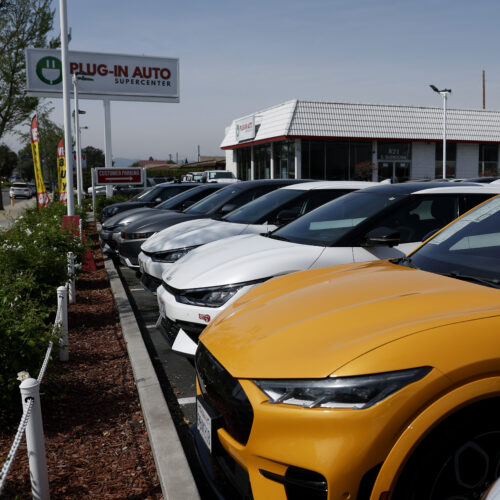
With the war in the Persian Gulf now more than a month old, the effect on fuel prices is plain to see: On average, they're up almost a dollar per gallon, or 25 percent, according to AAA. For a nation as addicted to the automotive as we are, that's bad news. Except, of course, for electric vehicles. The last half year has been rough for EV adoption here in the US. At the end of last September, the Trump administration abolished the federal tax credit for both new and used EVs, one of a series of policies that has disincentivized automakers to build EVs and consumers to buy them. Battery factories have been cancelled or repurposed, and EV lineups have been slashed as OEMs write down billions of dollars in the process. Some analysts have predicted a particularly grim Q1 2026. Cox Automotive, for example, forecast a 6.5 percent overall decrease in new car sales for the first three months of the year but a 28 percent decrease in EV sales for the same period. Without sustained high fuel prices, Stephanie Valdez Streaty, Cox's director of industry insights, expects people to make fewer trips. "To materially change buying behavior and drive a trend toward smaller, more efficient vehicles, consumers would need to believe gas prices will remain elevated for years, not just months," Cox said. Read full article Comments
Stay on the signal
Follow EV adoption in America: Who's winning, who's losing?
Follow this story beyond a single article: new follow-ups, adjacent sources, and the evolving storyline.
Story map
Understand this topic fast
A quick entry into the story: why it matters now, who is involved, and where to go next for context.
Why it matters now
Topic constellation
Open the live map for this story
See which entities, story threads, sources, and follow-up articles shape this story right now.
Click nodes to continue
Entity pages
Story timeline
Continue with this story
A short sequence of events and follow-up stories to understand the arc quickly.
How reliable this looks
Signal and trust for Ars Technica
This source works at a rapid pace: 100% of recent stories land in the hot window, and 0% carry visible search signal.
Reliability
92
Freshness
100
Sources in storyline
1
Related articles
More stories that share tags, source, or category context.
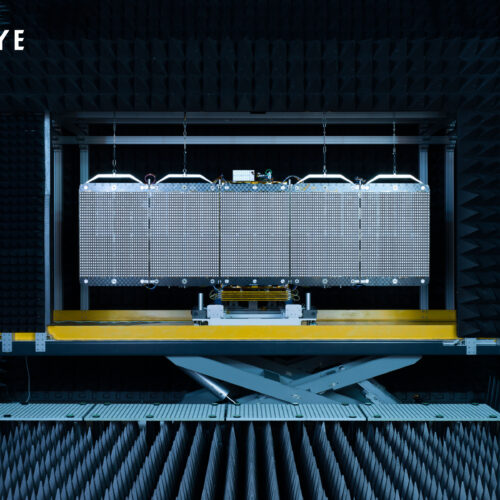
Four Russian satellites are now within striking distance of an ICEYE radarsat
"This capability is not common for satellites conducting typical missions."
Signal weather
Momentum is building quickly, so this card is a good early entry point into the topic.
Why now
Fresh coverage with immediate momentum.

Ebola outbreak now third largest recorded and "spreading rapidly"
Ebola outbreak risk level increased as deaths reach 177 with nearly 750 cases.
Signal weather
Momentum is building quickly, so this card is a good early entry point into the topic.
Why now
Fresh coverage with immediate momentum.
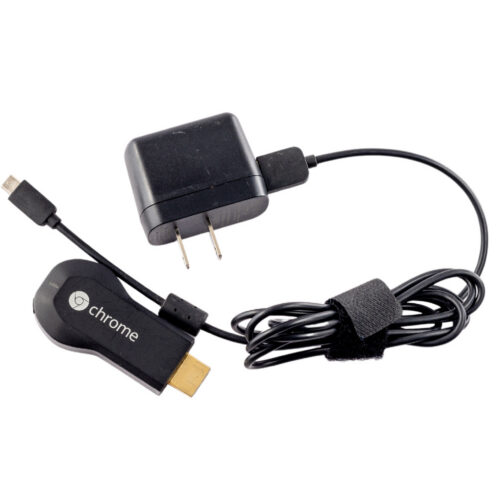
First-generation Chromecast users stressed by devices suddenly failing
Google tells Ars it fixed the first-gen Chromecast bug.
Signal weather
Momentum is building quickly, so this card is a good early entry point into the topic.
Why now
Fresh coverage with immediate momentum.
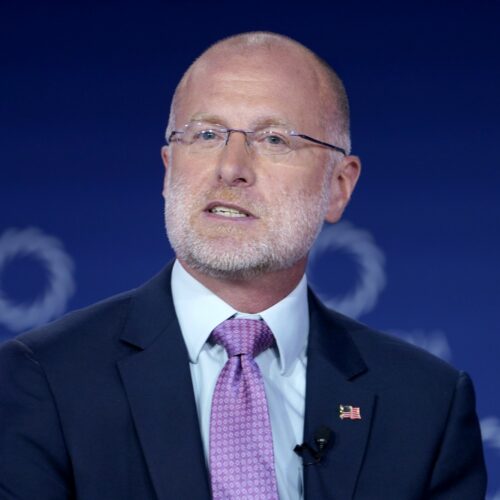
Trump FCC asks public to comment on whether ABC's The View is a news show
FCC seeks opinions on whether ABC show's decisions are "based on newsworthiness."
Signal weather
Momentum is building quickly, so this card is a good early entry point into the topic.
Why now
Fresh coverage with immediate momentum.
More from Ars Technica
Fresh reporting and follow-up coverage from the same newsroom.
Four Russian satellites are now within striking distance of an ICEYE radarsat
"This capability is not common for satellites conducting typical missions."
Signal weather
Momentum is building quickly, so this card is a good early entry point into the topic.
Why now
Fresh coverage with immediate momentum.
Ebola outbreak now third largest recorded and "spreading rapidly"
Ebola outbreak risk level increased as deaths reach 177 with nearly 750 cases.
Signal weather
Momentum is building quickly, so this card is a good early entry point into the topic.
Why now
Fresh coverage with immediate momentum.
First-generation Chromecast users stressed by devices suddenly failing
Google tells Ars it fixed the first-gen Chromecast bug.
Signal weather
Momentum is building quickly, so this card is a good early entry point into the topic.
Why now
Fresh coverage with immediate momentum.
Trump FCC asks public to comment on whether ABC's The View is a news show
FCC seeks opinions on whether ABC show's decisions are "based on newsworthiness."
Signal weather
Momentum is building quickly, so this card is a good early entry point into the topic.
Why now
Fresh coverage with immediate momentum.