F1 in Austria: Starts off exciting, then goes the opposite way
A heatwave, engine upgrades, plus power levels for the next two seasons.
Signal weather
Rising
Momentum is building quickly, so this card is a good early entry point into the topic.
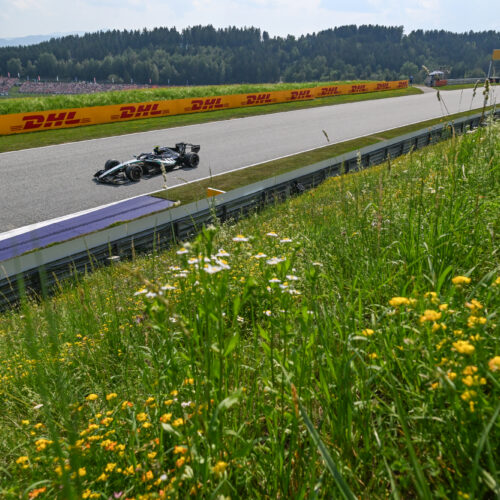
Formula 1 raced at the Red Bull Ring in Austria this past weekend while the region sweltered under a heat dome. It was a weekend of unmet expectations: After such a strong performance in Barcelona, pundits were ready to declare Ferrari's Lewis Hamilton a proper title contender. The red cars flattered to deceive at times, but the real challenge to Mercedes' ongoing dominance came from a newly resurgent Red Bull and Max Verstappen, who reminded us why so many of the packed grandstands were all wearing orange. The original Östereichring was a spectacular thing, with steep gradients, long straights, and high-speed curves, surrounded by views of the Styrian mountains. But racetrack designers in the late 1960s paid scant attention to safety features, and the corners were mostly lined with Armco fencing. The sport stopped racing there after the 1987 Grand Prix, judging it too dangerous for the speeds F1 cars were capable of at the time. It was rebuilt in the mid-'90s, losing around a mile (1.6 km) in length and much of its original character in the process but gaining things like gravel traps and runoff areas at the corners, making the place a whole lot safer. The Red Bull Ring looks dramatic, but click the YouTube link in the second paragraph (or here) to see in-car footage of the old track from 1987. Credit: Robert Szaniszlo/NurPhoto via Getty Images F1 returned to the newly christened A1-Ring from 1997 to 2003, then left for pastures new. Red Bull's co-founder, Dietrich Mateschitz, bought it the following year—the same year he bought the Jaguar F1 team from Ford and renamed it Red Bull Racing. Mateschitz and Red Bull renovated the track again, bringing the facilities up to 21st-century F1 standards, and the sport returned in 2014. It's not the shortest lap on the calendar in terms of distance—that honor goes to Monaco—but it does have the shortest lap times: Valtteri Bottas set a time of 1 minute, 2.939 seconds in qualifying for the 2020 Austrian Grand Prix. Read full article Comments
Stay on the signal
Follow F1 in Austria: Starts off exciting, then goes the opposite way
Follow this story beyond a single article: new follow-ups, adjacent sources, and the evolving storyline.
Story map
Understand this topic fast
A quick entry into the story: why it matters now, who is involved, and where to go next for context.
Why it matters now
Topic constellation
Open the live map for this story
See which entities, story threads, sources, and follow-up articles shape this story right now.
Click nodes to continue
Story timeline
Continue with this story
A short sequence of events and follow-up stories to understand the arc quickly.
How reliable this looks
Signal and trust for Ars Technica
This source works at a rapid pace: 100% of recent stories land in the hot window, and 0% carry visible search signal.
Reliability
92
Freshness
100
Sources in storyline
1
Related articles
More stories that share tags, source, or category context.
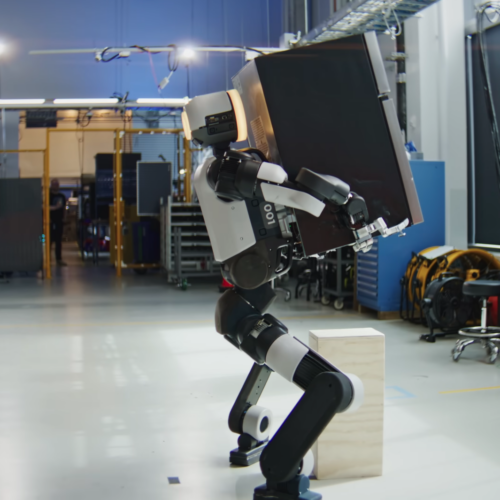
South Korea to spend $1T on more memory chip production and humanoid robots
South Korea targets physical AI lead and commercial humanoid robots by 2028.
Signal weather
Momentum is building quickly, so this card is a good early entry point into the topic.
Why now
Fresh coverage with immediate momentum.
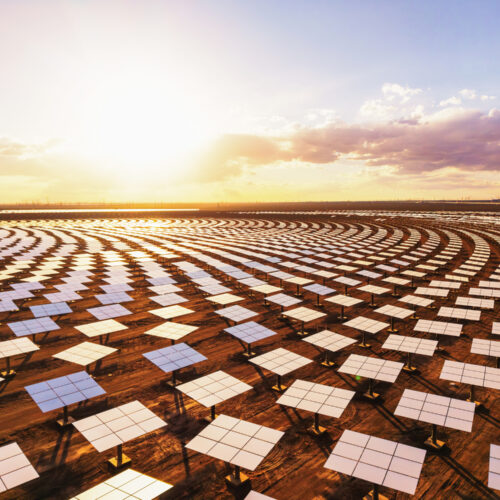
US renewable boom passes key milestone in April
Small-scale solar helped renewables nearly triple coal generation on the US grid.
Signal weather
Momentum is building quickly, so this card is a good early entry point into the topic.
Why now
Fresh coverage with immediate momentum.

Supreme Court ruling guts government’s use of geofence warrants
SCOTUS falls short of deeming geofence warrants unconstitutional, though.
Signal weather
Momentum is building quickly, so this card is a good early entry point into the topic.
Why now
Fresh coverage with immediate momentum.
Sony erases digital content from libraries; we're reminded we don’t own what we buy
Sony has been scaling down its digitial store for a few years.
Signal weather
Momentum is building quickly, so this card is a good early entry point into the topic.
Why now
Fresh coverage with immediate momentum.
More from Ars Technica
Fresh reporting and follow-up coverage from the same newsroom.
South Korea to spend $1T on more memory chip production and humanoid robots
South Korea targets physical AI lead and commercial humanoid robots by 2028.
Signal weather
Momentum is building quickly, so this card is a good early entry point into the topic.
Why now
Fresh coverage with immediate momentum.
US renewable boom passes key milestone in April
Small-scale solar helped renewables nearly triple coal generation on the US grid.
Signal weather
Momentum is building quickly, so this card is a good early entry point into the topic.
Why now
Fresh coverage with immediate momentum.
Supreme Court ruling guts government’s use of geofence warrants
SCOTUS falls short of deeming geofence warrants unconstitutional, though.
Signal weather
Momentum is building quickly, so this card is a good early entry point into the topic.
Why now
Fresh coverage with immediate momentum.
Sony erases digital content from libraries; we're reminded we don’t own what we buy
Sony has been scaling down its digitial store for a few years.
Signal weather
Momentum is building quickly, so this card is a good early entry point into the topic.
Why now
Fresh coverage with immediate momentum.