Four astronauts are now inexorably bound for the Moon
“I don’t think we could be more pleased."
Signal weather
Stable
The story has moved beyond the first headline and now acts as a reliable context anchor.
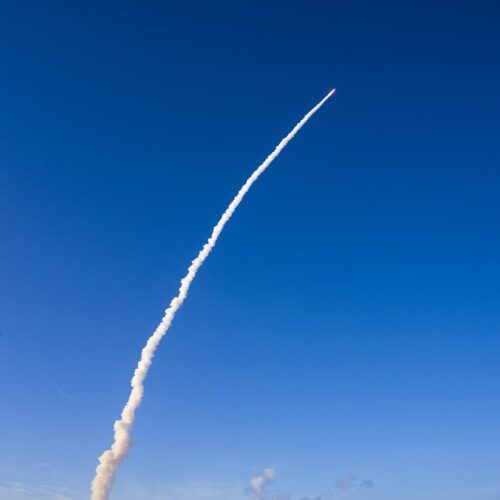
The Orion spacecraft successfully fired its main engine for 5 minutes and 50 seconds on Thursday, sending four astronauts on a free-return trajectory around the Moon. For NASA and the Artemis II crew members, this marked a point of no return for more than a week. About three-quarters of the American population has not witnessed humans leaving low-Earth orbit in their lifetimes. The last time this occurred was 1972, with the final Apollo Moon mission. The “translunar injection” burn of Orion’s main engine occurred about one day after the successful launch of the mission on NASA’s Space Launch System rocket from Kennedy Space Center on Wednesday. This burn was the last major firing of Orion’s main engine and sets the crew on a course to fly around the Moon on Monday, slingshot back toward Earth under lunar gravity, and splash down in the Pacific Ocean on Friday, April 10. Read full article Comments
Stay on the signal
Follow Four astronauts are now inexorably bound for the Moon
Follow this story beyond a single article: new follow-ups, adjacent sources, and the evolving storyline.
Story map
Understand this topic fast
A quick entry into the story: why it matters now, who is involved, and where to go next for context.
Why it matters now
Topic constellation
Open the live map for this story
See which entities, story threads, sources, and follow-up articles shape this story right now.
Click nodes to continue
Entity pages
Story timeline
Continue with this story
A short sequence of events and follow-up stories to understand the arc quickly.
How reliable this looks
Signal and trust for Ars Technica
This source works at a rapid pace: 100% of recent stories land in the hot window, and 0% carry visible search signal.
Reliability
92
Freshness
100
Sources in storyline
1
Related articles
More stories that share tags, source, or category context.

Newly discovered PamStealer isn't your typical macOS malware
The discovery underscores the increased effort being poured into Mac infostealers.
Signal weather
Momentum is building quickly, so this card is a good early entry point into the topic.
Why now
Fresh coverage with immediate momentum.
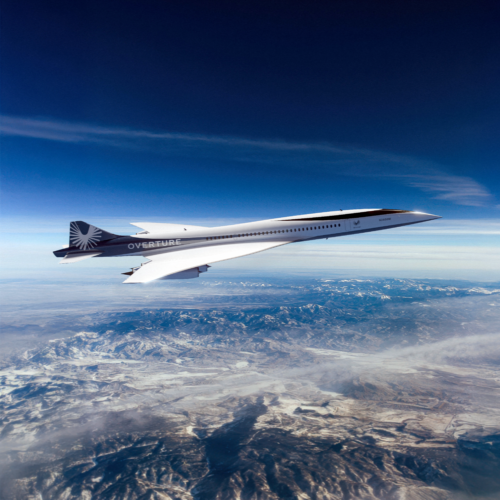
FAA proposal: Supersonic airliners can fly over US cities if they’re quiet
New US rules would legalize quiet supersonic flights without the sonic boom.
Signal weather
Momentum is building quickly, so this card is a good early entry point into the topic.
Why now
Fresh coverage with immediate momentum.

Ars Live recap: When are the big rockets NASA desperately needs going to be ready?
I have not seen anyone put out a date for a new rocket, and actually hit it.
Signal weather
Momentum is building quickly, so this card is a good early entry point into the topic.
Why now
Fresh coverage with immediate momentum.

Plex debuts 5-year membership pass for $250
Plex is pushing customers to newer features and more frequent payments.
Signal weather
Momentum is building quickly, so this card is a good early entry point into the topic.
Why now
Fresh coverage with immediate momentum.
More from Ars Technica
Fresh reporting and follow-up coverage from the same newsroom.
Newly discovered PamStealer isn't your typical macOS malware
The discovery underscores the increased effort being poured into Mac infostealers.
Signal weather
Momentum is building quickly, so this card is a good early entry point into the topic.
Why now
Fresh coverage with immediate momentum.
FAA proposal: Supersonic airliners can fly over US cities if they’re quiet
New US rules would legalize quiet supersonic flights without the sonic boom.
Signal weather
Momentum is building quickly, so this card is a good early entry point into the topic.
Why now
Fresh coverage with immediate momentum.
Ars Live recap: When are the big rockets NASA desperately needs going to be ready?
I have not seen anyone put out a date for a new rocket, and actually hit it.
Signal weather
Momentum is building quickly, so this card is a good early entry point into the topic.
Why now
Fresh coverage with immediate momentum.
Plex debuts 5-year membership pass for $250
Plex is pushing customers to newer features and more frequent payments.
Signal weather
Momentum is building quickly, so this card is a good early entry point into the topic.
Why now
Fresh coverage with immediate momentum.