GitHub will start charging Copilot users based on their actual AI usage
GitHub says it can no longer absorb "escalating inference cost" from it heaviest AI users.
Signal weather
Stable
The story has moved beyond the first headline and now acts as a reliable context anchor.

GitHub has announced that it will be shifting to a usage-based billing model for its GitHub Copilot AI service starting on June 1. The move is pitched as a way to "better align pricing with actual usage" and a necessary step to keep Copilot financially sustainable amid surging demand for limited AI computing resources. GitHub Copilot subscribers currently receive an allocation of monthly "requests" and "premium requests," which are spent whenever they ask Copilot for help from an AI model. But those broad categories cover many different AI tasks with a wide range of total backend computing costs, GitHub says. "Today, a quick chat question and a multi-hour autonomous coding session can cost the user the same amount," the Microsoft-owned company wrote in its announcement. And while GitHub says it has "absorbed much of the escalating inference cost behind that usage" to this point, lumping all "premium requests" together "is no longer sustainable."Read full article Comments
Stay on the signal
Follow GitHub will start charging Copilot users based on their actual AI usage
Follow this story beyond a single article: new follow-ups, adjacent sources, and the evolving storyline.
Story map
Understand this topic fast
A quick entry into the story: why it matters now, who is involved, and where to go next for context.
Why it matters now
Topic constellation
Open the live map for this story
See which entities, story threads, sources, and follow-up articles shape this story right now.
Click nodes to continue
Entity pages
Story timeline
Continue with this story
A short sequence of events and follow-up stories to understand the arc quickly.
How reliable this looks
Signal and trust for Ars Technica
This source works at a rapid pace: 100% of recent stories land in the hot window, and 0% carry visible search signal.
Reliability
92
Freshness
100
Sources in storyline
2
Related articles
More stories that share tags, source, or category context.

Cockroaches scurry around with thousands of pieces of bacterial genomes
Transferring genes across species doesn't just happen in microbes.
Signal weather
Momentum is building quickly, so this card is a good early entry point into the topic.
Why now
Fresh coverage with immediate momentum.
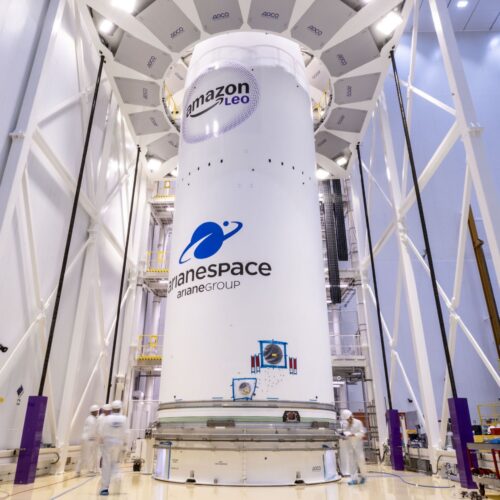
Among the large new rockets Amazon was counting on, only Europe has delivered
"As for Arianespace, they have definitely stepped up."
Signal weather
Momentum is building quickly, so this card is a good early entry point into the topic.
Why now
Fresh coverage with immediate momentum.

Anthropic "pauses" token-based billing for its Claude Agent SDK
Move originally planned for Monday would have heavily increased power users' costs.
Signal weather
Momentum is building quickly, so this card is a good early entry point into the topic.
Why now
Fresh coverage with immediate momentum.
AI is potentially a Dunning-Kruger effect amplifier
Comments
Signal weather
Momentum is building quickly, so this card is a good early entry point into the topic.
Why now
Fresh coverage with immediate momentum.
More from Ars Technica
Fresh reporting and follow-up coverage from the same newsroom.
Cockroaches scurry around with thousands of pieces of bacterial genomes
Transferring genes across species doesn't just happen in microbes.
Signal weather
Momentum is building quickly, so this card is a good early entry point into the topic.
Why now
Fresh coverage with immediate momentum.
Among the large new rockets Amazon was counting on, only Europe has delivered
"As for Arianespace, they have definitely stepped up."
Signal weather
Momentum is building quickly, so this card is a good early entry point into the topic.
Why now
Fresh coverage with immediate momentum.
Anthropic "pauses" token-based billing for its Claude Agent SDK
Move originally planned for Monday would have heavily increased power users' costs.
Signal weather
Momentum is building quickly, so this card is a good early entry point into the topic.
Why now
Fresh coverage with immediate momentum.
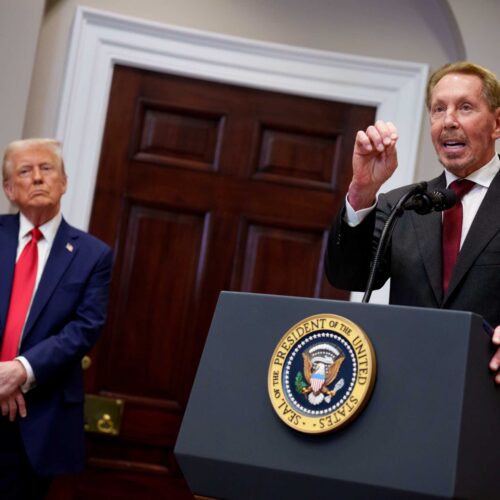
US approval of Paramount/Warner Bros. deal surprised DOJ lawyers, report says
Trump admin green-lighting $111B deal "reeks of corruption," Sen. Warren says.
Signal weather
Momentum is building quickly, so this card is a good early entry point into the topic.
Why now
Fresh coverage with immediate momentum.