Google’s AI buildout drove 37% increase in electricity use in 2025
Google tries balancing AI data center emissions with clean energy efforts.
Signal weather
Rising
Momentum is building quickly, so this card is a good early entry point into the topic.
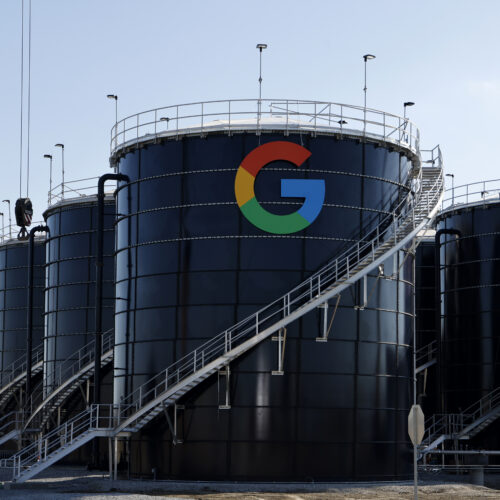
Google reported that its annual electricity consumption rose by 37 percent in 2025—the largest increase in the company’s history as Silicon Valley’s AI data center buildout continues. But the tech giant says it kept operational carbon emissions down by continuing to purchase massive amounts of clean energy. The company’s latest sustainability report acknowledges that Google’s total electricity usage has increased by more than 250 percent since 2019, which the company attributed to ongoing growth in Google Cloud, YouTube video streaming, and data center construction and operations supporting various AI products and services. The unprecedented 37 percent annual increase is part of an ongoing trend, given how Google’s total electricity consumption also grew by 27 percent in 2024. “While the path to achieving our climate ambitions will not be linear—given our AI infrastructure buildout is currently accelerating faster than the grid is decarbonizing—we remain focused on scaling abundant and affordable clean power globally and progressing technological innovations that drive down emissions across our operations and the broader industry,” according to the Google sustainability report. Read full article Comments
Stay on the signal
Follow Google’s AI buildout drove 37% increase in electricity use in 2025
Follow this story beyond a single article: new follow-ups, adjacent sources, and the evolving storyline.
Story map
Understand this topic fast
A quick entry into the story: why it matters now, who is involved, and where to go next for context.
Why it matters now
Topic constellation
Open the live map for this story
See which entities, story threads, sources, and follow-up articles shape this story right now.
Click nodes to continue
Entity pages
Story timeline
Continue with this story
A short sequence of events and follow-up stories to understand the arc quickly.
How reliable this looks
Signal and trust for Ars Technica
This source works at a rapid pace: 100% of recent stories land in the hot window, and 0% carry visible search signal.
Reliability
92
Freshness
100
Sources in storyline
3
Related articles
More stories that share tags, source, or category context.
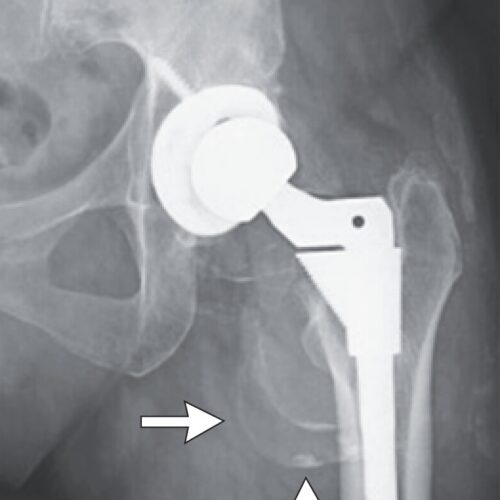
Woman's puzzling decline turns out to be cobalt poisoning from hip replacement
Doctors find grey fluid and dead, metallic flesh inside poisoned woman's hip.
Signal weather
Momentum is building quickly, so this card is a good early entry point into the topic.
Why now
Fresh coverage with immediate momentum.
Microsoft launches its own AI deployment company with $2.5 billion commitment
Microsoft follows Amazon, OpenAI, and Anthropic with its new AI deployment group.
Signal weather
Momentum is building quickly, so this card is a good early entry point into the topic.
Why now
Fresh coverage with immediate momentum.
In the age of algorithms and AI, is traditional media democracy's defence?
Comments
Signal weather
Momentum is building quickly, so this card is a good early entry point into the topic.
Why now
Fresh coverage with immediate momentum.
AI fake news complaining about how AI fake news is the death of real news
Comments
Signal weather
Momentum is building quickly, so this card is a good early entry point into the topic.
Why now
Fresh coverage with immediate momentum.
More from Ars Technica
Fresh reporting and follow-up coverage from the same newsroom.
Woman's puzzling decline turns out to be cobalt poisoning from hip replacement
Doctors find grey fluid and dead, metallic flesh inside poisoned woman's hip.
Signal weather
Momentum is building quickly, so this card is a good early entry point into the topic.
Why now
Fresh coverage with immediate momentum.
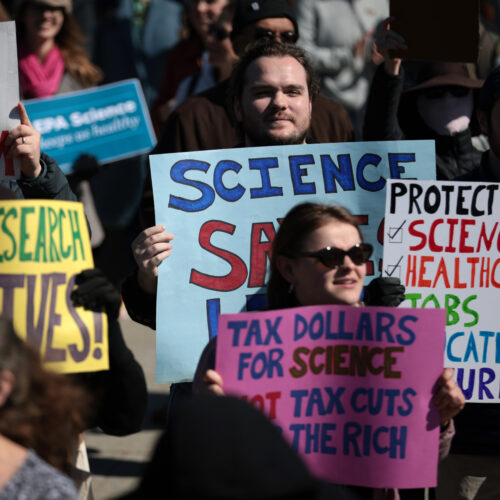
Editorial: It's time to step up and have your say for science
Your comments on a dangerous rule putting politicals in charge of science can matter.
Signal weather
Momentum is building quickly, so this card is a good early entry point into the topic.
Why now
Fresh coverage with immediate momentum.

T-Mobile moving tens of thousands of virtual machines off VMware amid lawsuit
T-Mobile wants Broadcom to keep supporting its VMware perpetual licenses.
Signal weather
Momentum is building quickly, so this card is a good early entry point into the topic.
Why now
Fresh coverage with immediate momentum.
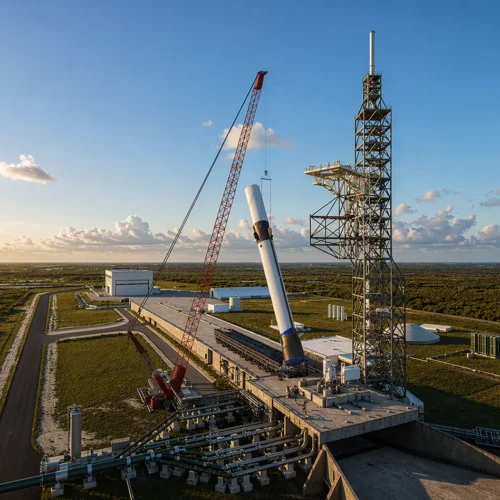
NASA chief praises progress Blue Origin is making after launch failure
"We've got time into 2027 before we're getting nervous."
Signal weather
Momentum is building quickly, so this card is a good early entry point into the topic.
Why now
Fresh coverage with immediate momentum.