Google's new version of Android Automotive will move beyond infotainment
Google wants Android in cars to break out of the infotainment box.
Signal weather
Stable
The story has moved beyond the first headline and now acts as a reliable context anchor.
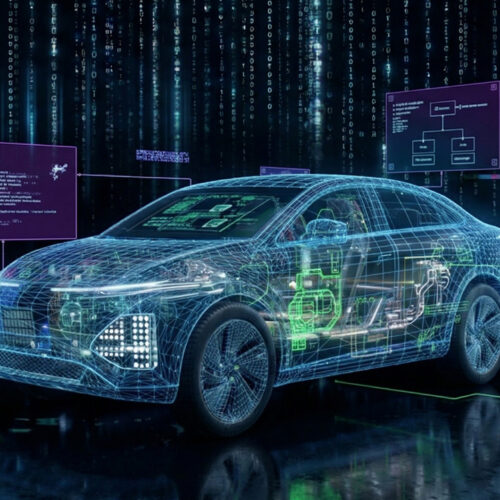
Android has been creeping into cars for more than a decade, first with the phone-based Android Auto and later with built-in Android Automotive OS. Even when Android is running on cars, it has not been allowed outside of the infotainment box. That could begin changing soon with Google's new plans for software-defined vehicles (SDVs), but don't expect most carmakers to step on the gas right away. Car companies are notoriously protective of the software running on their vehicles, which has become a core part of the experience as cars have shifted to "computers on wheels." Part of that is a matter of safety, but the data collected by automotive software is also highly valuable. As a result of everyone going their own way, vehicles have different software stacks that can include incompatible components from myriad suppliers. Google says it can fix this "fragmentation" mess with a more powerful version of Android Automotive OS (AAOS) designed for SDVs. For better or worse, cars are increasingly reliant on software for new features—for example, remote climate controls or using smart keys on your phone. Google's car efforts didn't start there, but they've definitely trended in that direction. Early on, the company's in-car play was Android Auto, which could run on a phone or be projected from a phone to supported car displays. Google eventually dropped the phone-based Auto to focus on the projected Android Auto experience and Android Automotive OS, which runs Android locally on the vehicle. That's where Google's latest initiative is focused. Read full article Comments
Stay on the signal
Follow Google's new version of Android Automotive will move beyond infotainment
Follow this story beyond a single article: new follow-ups, adjacent sources, and the evolving storyline.
Story map
Understand this topic fast
A quick entry into the story: why it matters now, who is involved, and where to go next for context.
Why it matters now
Topic constellation
Open the live map for this story
See which entities, story threads, sources, and follow-up articles shape this story right now.
Click nodes to continue
Entity pages
Story timeline
Continue with this story
A short sequence of events and follow-up stories to understand the arc quickly.
How reliable this looks
Signal and trust for Ars Technica
This source works at a rapid pace: 100% of recent stories land in the hot window, and 0% carry visible search signal.
Reliability
92
Freshness
100
Sources in storyline
2
Related articles
More stories that share tags, source, or category context.
В 2027 году правила изменятся для всех. Google рассекретит создателей Android-приложений по всему миру
Google с 30 сентября введет обязательную регистрацию приложений для Android-устройств в четырех странах.
Signal weather
Momentum is building quickly, so this card is a good early entry point into the topic.
Why now
Fresh coverage with immediate momentum.
With Starfall, SpaceX eyes an edge in global cargo delivery from orbit
The purpose of Starfall is to support the "transport and delivery of goods through space."
Signal weather
Momentum is building quickly, so this card is a good early entry point into the topic.
Why now
Fresh coverage with immediate momentum.
GM installs robots at flagship EV factory after laying off 1,300 workers
US autoworkers union warns of robot automation as dark factory future looms.
Signal weather
Momentum is building quickly, so this card is a good early entry point into the topic.
Why now
Fresh coverage with immediate momentum.
Man used massage gun on his tired eyeballs. It went as well as you'd expect.
He had retinal tears and bruises from squishing his eyeballs with the gun.
Signal weather
Momentum is building quickly, so this card is a good early entry point into the topic.
Why now
Fresh coverage with immediate momentum.
More from Ars Technica
Fresh reporting and follow-up coverage from the same newsroom.
With Starfall, SpaceX eyes an edge in global cargo delivery from orbit
The purpose of Starfall is to support the "transport and delivery of goods through space."
Signal weather
Momentum is building quickly, so this card is a good early entry point into the topic.
Why now
Fresh coverage with immediate momentum.
GM installs robots at flagship EV factory after laying off 1,300 workers
US autoworkers union warns of robot automation as dark factory future looms.
Signal weather
Momentum is building quickly, so this card is a good early entry point into the topic.
Why now
Fresh coverage with immediate momentum.
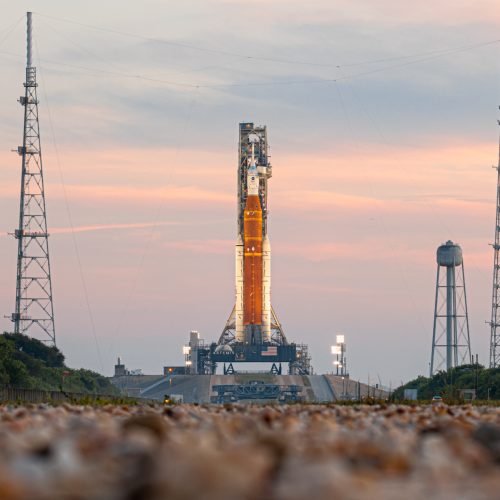
Report: Kennedy Space Center not ready for era of super heavy rockets
SpaceX has told NASA it plans to launch Starship every eight days from Kennedy.
Signal weather
Momentum is building quickly, so this card is a good early entry point into the topic.
Why now
Fresh coverage with immediate momentum.
Man used massage gun on his tired eyeballs. It went as well as you'd expect.
He had retinal tears and bruises from squishing his eyeballs with the gun.
Signal weather
Momentum is building quickly, so this card is a good early entry point into the topic.
Why now
Fresh coverage with immediate momentum.