Here's what has to happen if NASA wants to land on the Moon every month
NASA is serious about taking more shots on goal, but some of them need to start landing.
Signal weather
Stable
The story has moved beyond the first headline and now acts as a reliable context anchor.
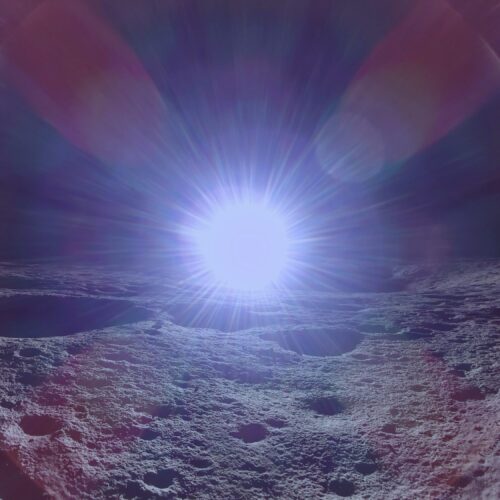
NASA's goal of reaching the Moon's surface as many as 21 times over the next two and a half years will require an overhaul of the agency's approach to buying lunar landers and success in rectifying the myriad problems that have, so far, caused three of the last four US landing attempts to falter. It will also require improved oversight of NASA's industrial base and better management of a supply chain that has often failed to deliver on time. These landers are separate from NASA's Human Landing System program, which has contracts with SpaceX and Blue Origin to develop and deliver human-rated landers to ferry crews to and from the lunar surface for the agency's Artemis program. Alongside the crew landers, dozens of robotic and cargo landings will deliver payloads to scout for a future Moon base and demonstrate technologies for larger vehicles, mining and resource utilization, and sustained operations during the two-week-long lunar night. Read full article Comments
Stay on the signal
Follow Here's what has to happen if NASA wants to land on the Moon every month
Follow this story beyond a single article: new follow-ups, adjacent sources, and the evolving storyline.
Story map
Understand this topic fast
A quick entry into the story: why it matters now, who is involved, and where to go next for context.
Why it matters now
Topic constellation
Open the live map for this story
See which entities, story threads, sources, and follow-up articles shape this story right now.
Click nodes to continue
Story timeline
Continue with this story
A short sequence of events and follow-up stories to understand the arc quickly.
How reliable this looks
Signal and trust for Ars Technica
This source works at a rapid pace: 100% of recent stories land in the hot window, and 0% carry visible search signal.
Reliability
92
Freshness
100
Sources in storyline
2
Related articles
More stories that share tags, source, or category context.

Polymarket's viral videos showed people winning big, but the bets were fake
"Winning" bets were made on cloned website and would have lost money, WSJ finds.
Signal weather
Momentum is building quickly, so this card is a good early entry point into the topic.
Why now
Fresh coverage with immediate momentum.

Following user outcry, AMD reinstates memory encryption in consumer CPUs
Critics saw the move as an underhanded way to steer them toward more costly chips.
Signal weather
Momentum is building quickly, so this card is a good early entry point into the topic.
Why now
Fresh coverage with immediate momentum.
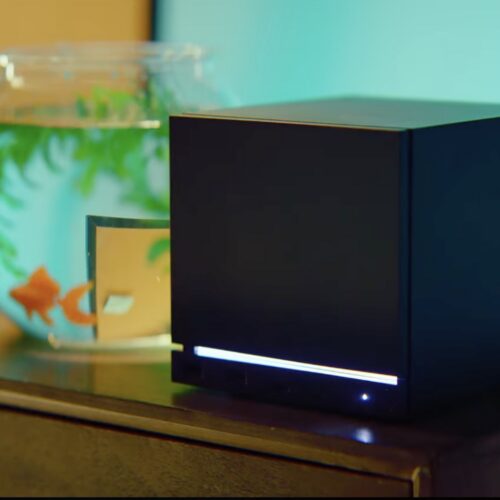
Valve's Steam Machine ships June 29 for $1,049, but you probably won't be able to buy one yet
Valve says it's using a randomized purchase queue to make the experience "less frustrating and more fair."
Signal weather
Momentum is building quickly, so this card is a good early entry point into the topic.
Why now
Fresh coverage with immediate momentum.
НАСА представила новый уникальный ровер для будущей экспансии Луны и Марса
ERNEST ехал 37 часов за неделю испытаний и показал скорость, недоступную нынешним марсоходам NASA на сложном рельефе.
Signal weather
Momentum is building quickly, so this card is a good early entry point into the topic.
Why now
Fresh coverage with immediate momentum.
More from Ars Technica
Fresh reporting and follow-up coverage from the same newsroom.
Polymarket's viral videos showed people winning big, but the bets were fake
"Winning" bets were made on cloned website and would have lost money, WSJ finds.
Signal weather
Momentum is building quickly, so this card is a good early entry point into the topic.
Why now
Fresh coverage with immediate momentum.
Following user outcry, AMD reinstates memory encryption in consumer CPUs
Critics saw the move as an underhanded way to steer them toward more costly chips.
Signal weather
Momentum is building quickly, so this card is a good early entry point into the topic.
Why now
Fresh coverage with immediate momentum.
Valve's Steam Machine ships June 29 for $1,049, but you probably won't be able to buy one yet
Valve says it's using a randomized purchase queue to make the experience "less frustrating and more fair."
Signal weather
Momentum is building quickly, so this card is a good early entry point into the topic.
Why now
Fresh coverage with immediate momentum.
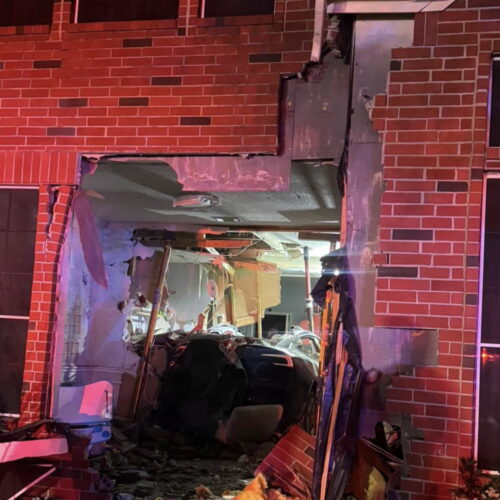
NHTSA investigating alleged Tesla Autopilot crash that killed woman in her home
Tesla touts Autopilot as lifesaving a day after grandmother died in crash.
Signal weather
Momentum is building quickly, so this card is a good early entry point into the topic.
Why now
Fresh coverage with immediate momentum.