How chemists turned bourbon waste into supercapacitors
Hydrothermal carbonization can directly convert sloppy stillage into hard or activated carbon.
Signal weather
Stable
The story has moved beyond the first headline and now acts as a reliable context anchor.
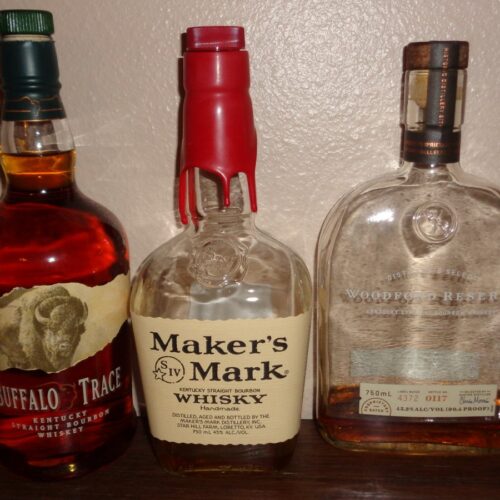
Bourbon is a multi-billion-dollar market, but the American barrel-aged whiskey also produces a lot of wasted grain at distilleries. Chemists at the University of Kentucky developed a method to transform that stillage into electrodes and used those electrodes to build supercapacitors with energy storage capacity on par with existing commercial devices. They presented their work at a meeting of the American Chemical Society in Atlanta, Georgia. US distillers began making bourbon in the 18th century, particularly in Kentucky, but it really took off commercially, in terms of consumption and exports, after World War II. Legally, a whiskey can only be sold as bourbon if its mash is composed of at least 51 percent corn, with any other cereal grain (usually rye and barley) making up the remainder. The grain is ground up and mixed with water, and mash from a previous distillation is added to create a sour mash. The addition of yeast launches fermentation, after which the mash is distilled to a clear spirit called "white dog." That spirit is poured into charred new oak barrels for aging of at least two years. It's the caramelized sugars and vanillin in the charred wood that give bourbon its distinctive dark color and flavor. The barrels are never reused for bourbon, typically being recycled for making barrel-aged beer, wine, and even barbecue and hot sauces. Read full article Comments
Stay on the signal
Follow How chemists turned bourbon waste into supercapacitors
Follow this story beyond a single article: new follow-ups, adjacent sources, and the evolving storyline.
Story map
Understand this topic fast
A quick entry into the story: why it matters now, who is involved, and where to go next for context.
Why it matters now
Topic constellation
Open the live map for this story
See which entities, story threads, sources, and follow-up articles shape this story right now.
Click nodes to continue
Entity pages
Story timeline
Continue with this story
A short sequence of events and follow-up stories to understand the arc quickly.
How reliable this looks
Signal and trust for Ars Technica
This source works at a rapid pace: 100% of recent stories land in the hot window, and 0% carry visible search signal.
Reliability
92
Freshness
100
Sources in storyline
1
Related articles
More stories that share tags, source, or category context.

White House drastically shortens deadline for dropping quantum-vulnerable crypto
Order warns of national security risks if post-quantum cryptography isn't adopted in time.
Signal weather
Momentum is building quickly, so this card is a good early entry point into the topic.
Why now
Fresh coverage with immediate momentum.
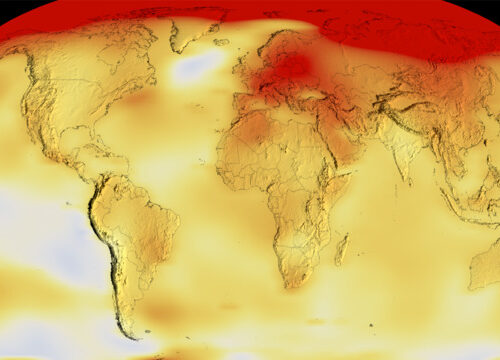
US's climate.gov site, taken down by Trump, relaunched by nonprofit
Climate.us has now restored everything taken down by the government.
Signal weather
Momentum is building quickly, so this card is a good early entry point into the topic.
Why now
Fresh coverage with immediate momentum.
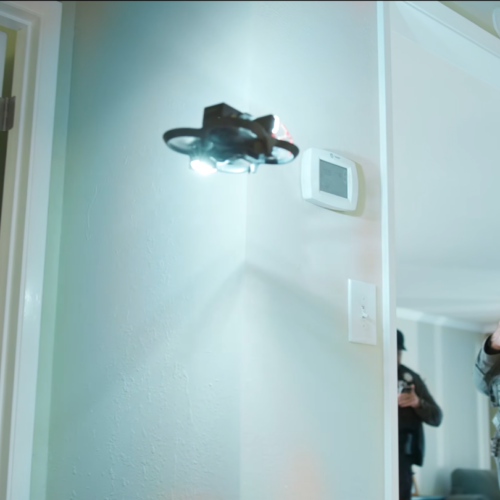
Odd police video shows drone removing knife from motionless suspect
Promo video comes as more US police departments fly drones as first responders.
Signal weather
Momentum is building quickly, so this card is a good early entry point into the topic.
Why now
Fresh coverage with immediate momentum.
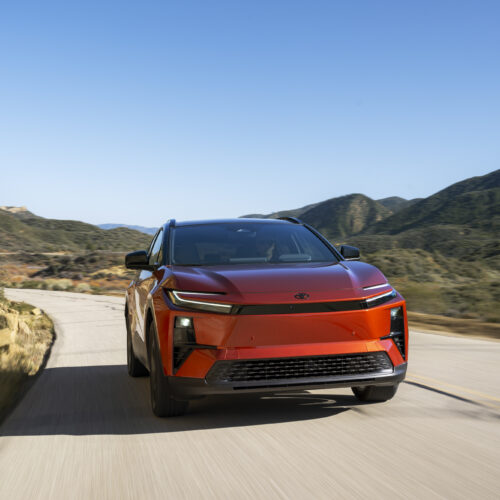
A curious crossover: The Toyota C-HR review
Although it's on the smaller side, this electric vehicle is not very chill.
Signal weather
Momentum is building quickly, so this card is a good early entry point into the topic.
Why now
Fresh coverage with immediate momentum.
More from Ars Technica
Fresh reporting and follow-up coverage from the same newsroom.
White House drastically shortens deadline for dropping quantum-vulnerable crypto
Order warns of national security risks if post-quantum cryptography isn't adopted in time.
Signal weather
Momentum is building quickly, so this card is a good early entry point into the topic.
Why now
Fresh coverage with immediate momentum.
US's climate.gov site, taken down by Trump, relaunched by nonprofit
Climate.us has now restored everything taken down by the government.
Signal weather
Momentum is building quickly, so this card is a good early entry point into the topic.
Why now
Fresh coverage with immediate momentum.
Odd police video shows drone removing knife from motionless suspect
Promo video comes as more US police departments fly drones as first responders.
Signal weather
Momentum is building quickly, so this card is a good early entry point into the topic.
Why now
Fresh coverage with immediate momentum.

Oracle’s 21,000 layoffs help drive its debt-fueled AI investments
Oracle is spending billions on data center infrastructure to support AI.
Signal weather
Momentum is building quickly, so this card is a good early entry point into the topic.
Why now
Fresh coverage with immediate momentum.