How did Anthropic measure AI's "theoretical capabilities" in the job market?
2023 study made a lot of assumptions about future "anticipated LLM-powered software."
Signal weather
Stable
The story has moved beyond the first headline and now acts as a reliable context anchor.
If you follow the ongoing debate over AI's growing economic impact, you may have seen the graphic below floating around this month. It comes from an Anthropic report on the labor market impacts of AI and is meant to compare the current "observed exposure" of occupations to LLMs (in red) to the "theoretical capability" of those same LLMs (in blue) across 22 job categories. While the current "observed exposure" area is interesting in its own right, it's the blue "theoretical capability" that jumps out. At a glance, the graph implies that LLM-based systems could perform at least 80 percent of the individual "job tasks" across a shockingly wide range of human occupations, at least theoretically. It looks like Anthropic is predicting that LLMs will eventually be able to do the vast majority of jobs in broad categories ranging from "Arts & Media" and "Office & Admin" to "Legal, Business & Finance," and even "Management." That "theoretical AI coverage" area seems like it's destined to eat a huge swath of the US job market! Credit: Anthropic Digging into the basis for those "theoretical capability" numbers, though, provides a much less chilling image of AI's future occupational impacts. When you drill down into the specifics, that blue field represents some outdated and heavily speculative educated guesses about where AI is likely to improve human productivity and not necessarily where it will take over for humans altogether. Read full article Comments
Stay on the signal
Follow How did Anthropic measure AI's "theoretical capabilities" in the job market?
Follow this story beyond a single article: new follow-ups, adjacent sources, and the evolving storyline.
Story map
Understand this topic fast
A quick entry into the story: why it matters now, who is involved, and where to go next for context.
Why it matters now
Topic constellation
Open the live map for this story
See which entities, story threads, sources, and follow-up articles shape this story right now.
Click nodes to continue
Entity pages
Story timeline
Continue with this story
A short sequence of events and follow-up stories to understand the arc quickly.
How reliable this looks
Signal and trust for Ars Technica
This source works at a rapid pace: 100% of recent stories land in the hot window, and 0% carry visible search signal.
Reliability
92
Freshness
100
Sources in storyline
3
Related articles
More stories that share tags, source, or category context.
Trump drops restrictions on Anthropic’s Mythos and Fable models
The Trump administration's erratic approach to AI policymaking has left companies across the industry with little clarity about what will govern future model releases.
Signal weather
Momentum is building quickly, so this card is a good early entry point into the topic.
Why now
Fresh coverage with immediate momentum.
Anthropic restoring access to Claude Fable 5 and Mythos 5 from tomorrow
Comments
Signal weather
Momentum is building quickly, so this card is a good early entry point into the topic.
Why now
Fresh coverage with immediate momentum.

June research roundup: 6 cool science stories we almost missed
Also, the science of poop's distinctive shape, boron buckyballs, and the secret to a soccer feint.
Signal weather
Momentum is building quickly, so this card is a good early entry point into the topic.
Why now
Fresh coverage with immediate momentum.

Reddit will require you to log in to use old.reddit.com
Logged-out Old Reddit access is “significant source of abusive scraping."
Signal weather
Momentum is building quickly, so this card is a good early entry point into the topic.
Why now
Fresh coverage with immediate momentum.
More from Ars Technica
Fresh reporting and follow-up coverage from the same newsroom.
June research roundup: 6 cool science stories we almost missed
Also, the science of poop's distinctive shape, boron buckyballs, and the secret to a soccer feint.
Signal weather
Momentum is building quickly, so this card is a good early entry point into the topic.
Why now
Fresh coverage with immediate momentum.
Reddit will require you to log in to use old.reddit.com
Logged-out Old Reddit access is “significant source of abusive scraping."
Signal weather
Momentum is building quickly, so this card is a good early entry point into the topic.
Why now
Fresh coverage with immediate momentum.
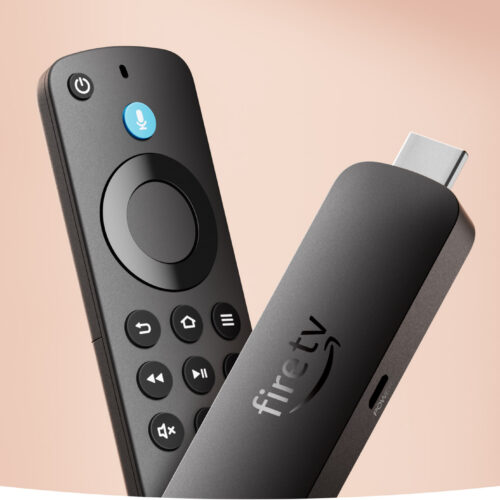
Amazon blames piracy apps with malware for killing new Fire Stick sideloading
New Fire Stick OS helps Amazon block third-party homepage launchers, ad blockers.
Signal weather
Momentum is building quickly, so this card is a good early entry point into the topic.
Why now
Fresh coverage with immediate momentum.
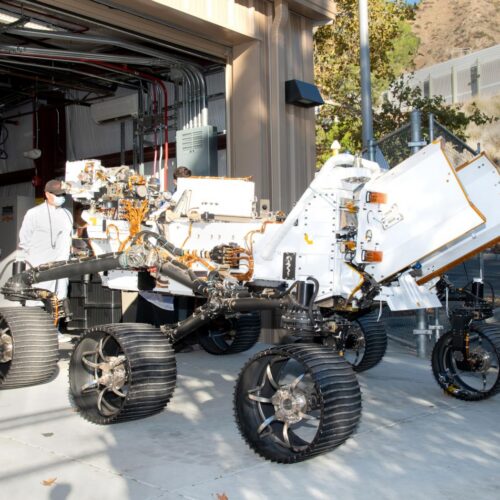
NASA may send a backup, nuclear-powered Mars rover to the Moon
"That would be an awesome capability."
Signal weather
Momentum is building quickly, so this card is a good early entry point into the topic.
Why now
Fresh coverage with immediate momentum.