Iran demands Big Tech pay fees for undersea Internet cables in Strait of Hormuz
Iran's claim over subsea chokepoint pushes US tech companies to overland fiber.
Signal weather
Rising
Momentum is building quickly, so this card is a good early entry point into the topic.
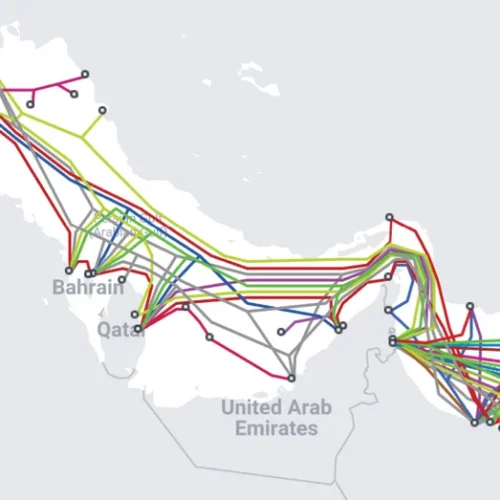
Iran claims it will charge US tech companies fees for using undersea Internet cables that run beneath the contested Strait of Hormuz shipping lanes. The war has already halted multiple projects and led to the suspension of cable repairs in the region—and the latest Iranian threats may accelerate efforts by Big Tech and Gulf countries to find alternative routes for bypassing the Strait of Hormuz’s digital chokepoint. The latest assertions of Iranian authority over the Strait of Hormuz were announced in a brief statement by Ebrahim Zolfaghari, a spokesperson for Iran’s military and the Islamic Revolutionary Guard Corps. “We will impose fees on internet cables” Zolfaghari wrote in a May 9 post. It was not immediately clear how Iran might implement such fees or impose its rules on cable projects, given that the majority of routes pass through Oman-controlled waters. But Tasnim and Fars, both Iranian state-linked media channels, laid out more detailed proposals on how Iran could charge license fees to US tech giants for the use and maintenance of undersea cables carrying regional Internet traffic, according to The Guardian. For example, the Tasnim plan described charging tech companies—specifically naming Meta, Google, Amazon, and Microsoft—license fees for cable usage while also claiming that Iran alone has the right to repair and maintain the subsea cables. Read full article Comments
Stay on the signal
Follow Iran demands Big Tech pay fees for undersea Internet cables in Strait of Hormuz
Follow this story beyond a single article: new follow-ups, adjacent sources, and the evolving storyline.
Story map
Understand this topic fast
A quick entry into the story: why it matters now, who is involved, and where to go next for context.
Why it matters now
Topic constellation
Open the live map for this story
See which entities, story threads, sources, and follow-up articles shape this story right now.
Click nodes to continue
Entity pages
Story timeline
Continue with this story
A short sequence of events and follow-up stories to understand the arc quickly.
How reliable this looks
Signal and trust for Ars Technica
This source works at a rapid pace: 100% of recent stories land in the hot window, and 0% carry visible search signal.
Reliability
92
Freshness
100
Sources in storyline
1
Related articles
More stories that share tags, source, or category context.
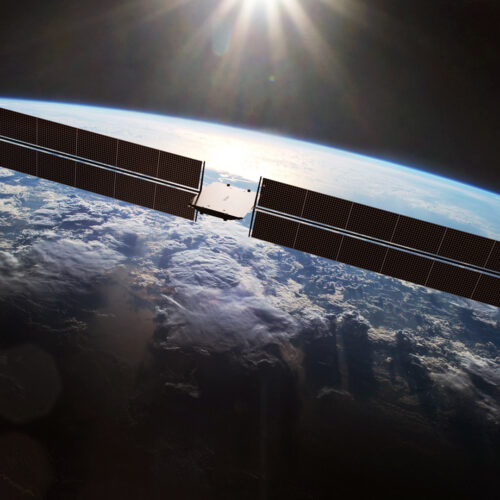
In addition to space stations, Vast says it will now build high-power satellites
"Every single successful space company is diversified in its products."
Signal weather
Momentum is building quickly, so this card is a good early entry point into the topic.
Why now
Fresh coverage with immediate momentum.

Legal fail: Don’t use AI to sue Facebook users for calling you a bad date
Fake citations dashed a dude’s “Are We Dating the Same Guy” revenge lawsuit.
Signal weather
Momentum is building quickly, so this card is a good early entry point into the topic.
Why now
Fresh coverage with immediate momentum.
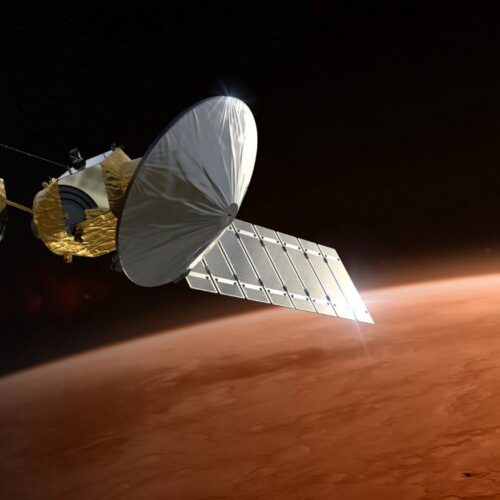
One Mars spacecraft, two senators, and a cloud of questions
"I think there's plenty of fire lit under them already."
Signal weather
Momentum is building quickly, so this card is a good early entry point into the topic.
Why now
Fresh coverage with immediate momentum.
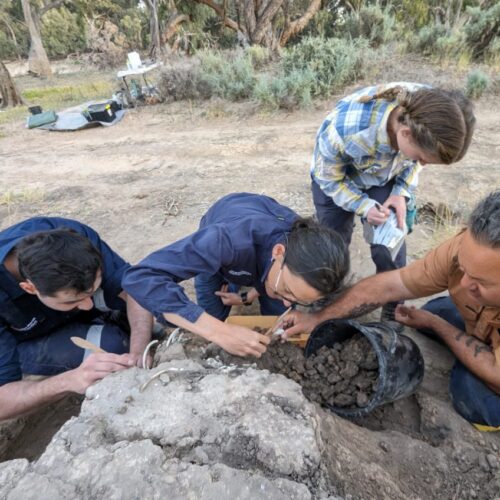
Australian Aboriginals cared for a dingo's grave for decades
For some ancient Aboriginal Australian communities, dingoes were part of the family.
Signal weather
Momentum is building quickly, so this card is a good early entry point into the topic.
Why now
Fresh coverage with immediate momentum.
More from Ars Technica
Fresh reporting and follow-up coverage from the same newsroom.
In addition to space stations, Vast says it will now build high-power satellites
"Every single successful space company is diversified in its products."
Signal weather
Momentum is building quickly, so this card is a good early entry point into the topic.
Why now
Fresh coverage with immediate momentum.

Ebola outbreak: WHO declares emergency, US restricts travel, American infected
CDC is working to move the infected American and six others to Germany.
Signal weather
Momentum is building quickly, so this card is a good early entry point into the topic.
Why now
Fresh coverage with immediate momentum.
Legal fail: Don’t use AI to sue Facebook users for calling you a bad date
Fake citations dashed a dude’s “Are We Dating the Same Guy” revenge lawsuit.
Signal weather
Momentum is building quickly, so this card is a good early entry point into the topic.
Why now
Fresh coverage with immediate momentum.
One Mars spacecraft, two senators, and a cloud of questions
"I think there's plenty of fire lit under them already."
Signal weather
Momentum is building quickly, so this card is a good early entry point into the topic.
Why now
Fresh coverage with immediate momentum.