NASA is leading the way to the Moon, but the military won't be far behind
"I just don't want to get caught flat-footed when we start to have to protect US interests out there."
Signal weather
Stable
The story has moved beyond the first headline and now acts as a reliable context anchor.
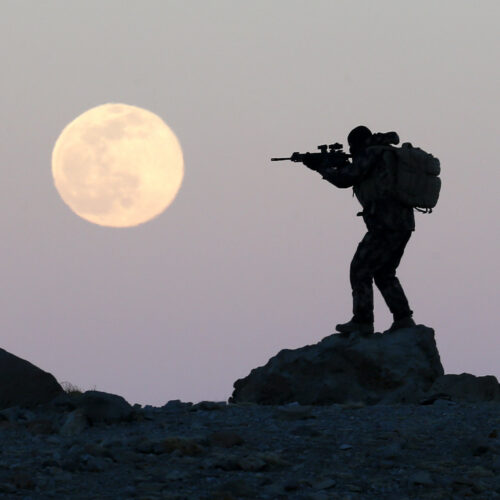
KENNEDY SPACE CENTER, Florida—The US military has always been part of NASA's human spaceflight program. The first astronauts were nearly all military pilots, and two of the four crew members set to fly around the Moon on NASA's Artemis II mission were Navy test pilots before joining the astronaut corps. Artemis II, the first crew mission to the Moon's vicinity since 1972, is set for launch Wednesday from Kennedy Space Center in Florida. Commander Reid Wiseman and pilot Victor Glover, both Navy test pilots, will be at the controls of the Space Launch System rocket and Orion spacecraft for the ride to space. NASA astronaut Christina Koch and Canadian astronaut Jeremy Hansen round out the four-person crew. The mission will depart from NASA property on Florida's Space Coast, but the Space Force will play an important role in the launch. A range crew from the Space Force will track the SLS rocket as it arcs over the Atlantic Ocean. Their primary job will be ensuring public safety, with the unenviable responsibility of sending a destruct signal to the rocket if it flies off course. Thankfully for the astronauts inside the spacecraft, the Orion capsule has an abort rocket to pull it away from an exploding launch vehicle in the event of a catastrophic failure. Read full article Comments
Stay on the signal
Follow NASA is leading the way to the Moon, but the military won't be far behind
Follow this story beyond a single article: new follow-ups, adjacent sources, and the evolving storyline.
Story map
Understand this topic fast
A quick entry into the story: why it matters now, who is involved, and where to go next for context.
Why it matters now
Topic constellation
Open the live map for this story
See which entities, story threads, sources, and follow-up articles shape this story right now.
Click nodes to continue
Entity pages
Story timeline
Continue with this story
A short sequence of events and follow-up stories to understand the arc quickly.
How reliable this looks
Signal and trust for Ars Technica
This source works at a rapid pace: 100% of recent stories land in the hot window, and 0% carry visible search signal.
Reliability
92
Freshness
100
Sources in storyline
2
Related articles
More stories that share tags, source, or category context.

T-Mobile moving tens of thousands of virtual machines off VMware amid lawsuit
T-Mobile wants Broadcom to keep supporting its VMware perpetual licenses.
Signal weather
Momentum is building quickly, so this card is a good early entry point into the topic.
Why now
Fresh coverage with immediate momentum.
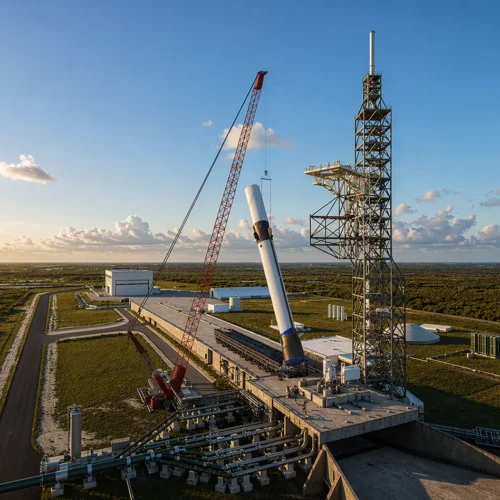
NASA chief praises progress Blue Origin is making after launch failure
"We've got time into 2027 before we're getting nervous."
Signal weather
Momentum is building quickly, so this card is a good early entry point into the topic.
Why now
Fresh coverage with immediate momentum.
NASA построила сверхзвуковой самолёт-франкенштейн из кусков старых истребителей… и заставила его летать тихо
Шасси от F-16, ручка от F-117, кабина от Т-38… Для чего это нужно?
Signal weather
Momentum is building quickly, so this card is a good early entry point into the topic.
Why now
Fresh coverage with immediate momentum.
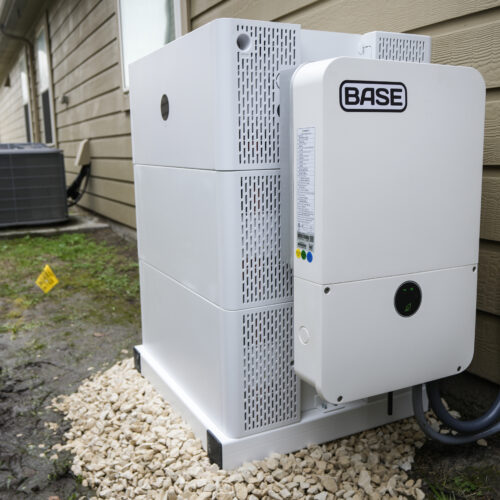
US home battery installations hit record high on rising electricity costs
Record home battery installations unlock options for grids—and AI data centers.
Signal weather
Momentum is building quickly, so this card is a good early entry point into the topic.
Why now
Fresh coverage with immediate momentum.
More from Ars Technica
Fresh reporting and follow-up coverage from the same newsroom.
T-Mobile moving tens of thousands of virtual machines off VMware amid lawsuit
T-Mobile wants Broadcom to keep supporting its VMware perpetual licenses.
Signal weather
Momentum is building quickly, so this card is a good early entry point into the topic.
Why now
Fresh coverage with immediate momentum.
NASA chief praises progress Blue Origin is making after launch failure
"We've got time into 2027 before we're getting nervous."
Signal weather
Momentum is building quickly, so this card is a good early entry point into the topic.
Why now
Fresh coverage with immediate momentum.
US home battery installations hit record high on rising electricity costs
Record home battery installations unlock options for grids—and AI data centers.
Signal weather
Momentum is building quickly, so this card is a good early entry point into the topic.
Why now
Fresh coverage with immediate momentum.
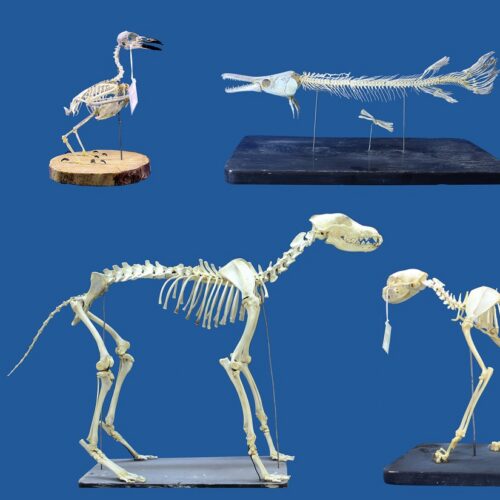
Superworms could replace beetles for cleaning skeletal remains
An optimal ratio of 10-15 grams of larvae per gram of specimen minimized cleaning time with no bone damage.
Signal weather
Momentum is building quickly, so this card is a good early entry point into the topic.
Why now
Fresh coverage with immediate momentum.