Polygraphs have major flaws. Are there better options?
Research proceeds on alternatives, but some doubt whether true lie detection is possible.
Signal weather
Stable
The story has moved beyond the first headline and now acts as a reliable context anchor.
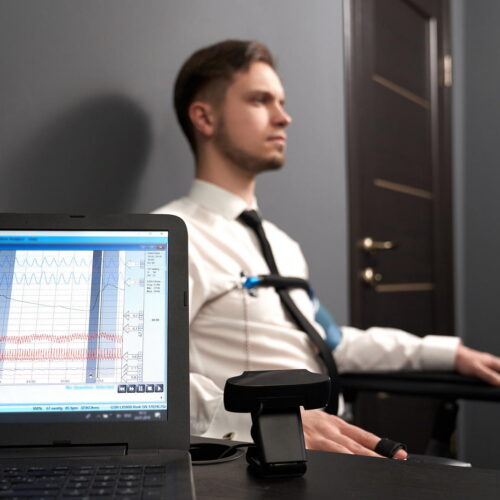
When George W. Maschke applied to work for the FBI in 1994, he had already held a security clearance for over 11 years. The government had deemed him trustworthy through his career in the Army. But soon, a machine and a man would not come to the same conclusion. His application to be a special agent had passed initial muster. And so, in the spring of 1995, according to his account, he found himself sitting across from an FBI polygraph examiner, answering questions about his life and loyalties. He told the truth, he said in an interview with Undark. But in a blog post on his website, he recalled the examiner told him that the polygraph machine—which measured some of Maschke’s physiological responses—indicated that he was being deceptive about keeping classified information secret, and about his contacts with foreign intelligence agencies. Read full article Comments
Stay on the signal
Follow Polygraphs have major flaws. Are there better options?
Follow this story beyond a single article: new follow-ups, adjacent sources, and the evolving storyline.
Story map
Understand this topic fast
A quick entry into the story: why it matters now, who is involved, and where to go next for context.
Why it matters now
Topic constellation
Open the live map for this story
See which entities, story threads, sources, and follow-up articles shape this story right now.
Click nodes to continue
Entity pages
Story threads
Story timeline
Continue with this story
A short sequence of events and follow-up stories to understand the arc quickly.
How reliable this looks
Signal and trust for Ars Technica
This source works at a rapid pace: 100% of recent stories land in the hot window, and 0% carry visible search signal.
Reliability
92
Freshness
100
Sources in storyline
1
Related articles
More stories that share tags, source, or category context.

T-Mobile moving tens of thousands of virtual machines off VMware amid lawsuit
T-Mobile wants Broadcom to keep supporting its VMware perpetual licenses.
Signal weather
Momentum is building quickly, so this card is a good early entry point into the topic.
Why now
Fresh coverage with immediate momentum.

NASA chief praises progress Blue Origin is making after launch failure
"We've got time into 2027 before we're getting nervous."
Signal weather
Momentum is building quickly, so this card is a good early entry point into the topic.
Why now
Fresh coverage with immediate momentum.
Apple’s Hide My Email feature has a bug that’s been exposing real email addresses, researcher claims
Research appears to reveal a bug that could render the feature effectively useless.
Signal weather
Momentum is building quickly, so this card is a good early entry point into the topic.
Why now
Fresh coverage with immediate momentum.
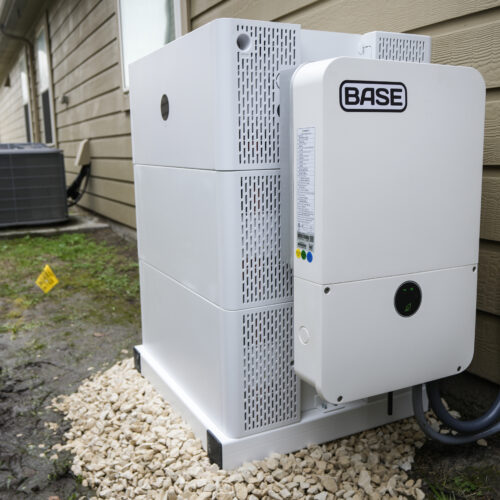
US home battery installations hit record high on rising electricity costs
Record home battery installations unlock options for grids—and AI data centers.
Signal weather
Momentum is building quickly, so this card is a good early entry point into the topic.
Why now
Fresh coverage with immediate momentum.
More from Ars Technica
Fresh reporting and follow-up coverage from the same newsroom.
T-Mobile moving tens of thousands of virtual machines off VMware amid lawsuit
T-Mobile wants Broadcom to keep supporting its VMware perpetual licenses.
Signal weather
Momentum is building quickly, so this card is a good early entry point into the topic.
Why now
Fresh coverage with immediate momentum.
NASA chief praises progress Blue Origin is making after launch failure
"We've got time into 2027 before we're getting nervous."
Signal weather
Momentum is building quickly, so this card is a good early entry point into the topic.
Why now
Fresh coverage with immediate momentum.
US home battery installations hit record high on rising electricity costs
Record home battery installations unlock options for grids—and AI data centers.
Signal weather
Momentum is building quickly, so this card is a good early entry point into the topic.
Why now
Fresh coverage with immediate momentum.
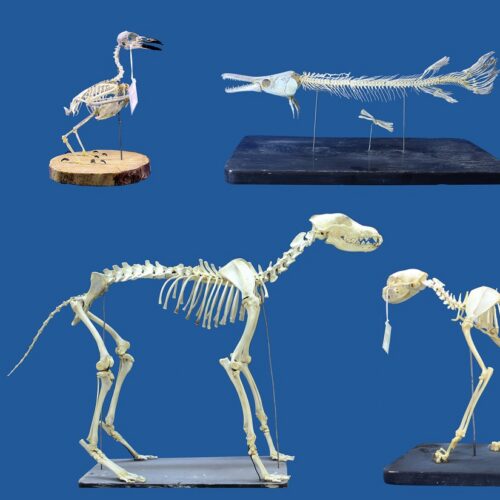
Superworms could replace beetles for cleaning skeletal remains
An optimal ratio of 10-15 grams of larvae per gram of specimen minimized cleaning time with no bone damage.
Signal weather
Momentum is building quickly, so this card is a good early entry point into the topic.
Why now
Fresh coverage with immediate momentum.