Surprisingly large number of people may have marker for tick-linked meat allergy
There's still a slew of questions about why some people develop alpha-gal syndrome.
Signal weather
Rising
Momentum is building quickly, so this card is a good early entry point into the topic.

In some parts of the US, up to 30 percent of people may carry the antibody behind a red meat allergy spurred by tick bites, far exceeding the estimated number of people who actually have the allergy, according a study published in Morbidity and Mortality Weekly Report. The findings suggest far more Americans than previously thought may be at risk of the allergy, which can make having a hamburger for dinner a potentially life-threatening choice. The Centers for Disease Control and Prevention has previously estimated that only 0.14 percent of the US population (up to 450,000 people) has the allergy. But the study also highlights how little we understand about this unique disease—and the challenges of accurately diagnosing it. The study surveyed blood donations for the disease's key antibody, which is in a class dubbed IgE and specifically attacks a double-sugar molecule called galactose-α-1,3-galactose, also known as alpha-gal. This disaccharide is found decorating the cells of nonprimate mammals, including cows and pigs, but it's also released in the saliva of ticks, particularly the lone star tick (Amblyomma americanum). People bitten by ticks can develop IgE antibodies against alpha-gal, which can sometimes trigger an allergic response to eating red meat as well as other animal products, such as dairy and gelatin. Read full article Comments
Stay on the signal
Follow Surprisingly large number of people may have marker for tick-linked meat allergy
Follow this story beyond a single article: new follow-ups, adjacent sources, and the evolving storyline.
Story map
Understand this topic fast
A quick entry into the story: why it matters now, who is involved, and where to go next for context.
Why it matters now
Topic constellation
Open the live map for this story
See which entities, story threads, sources, and follow-up articles shape this story right now.
Click nodes to continue
Story timeline
Continue with this story
A short sequence of events and follow-up stories to understand the arc quickly.
How reliable this looks
Signal and trust for Ars Technica
This source works at a rapid pace: 100% of recent stories land in the hot window, and 0% carry visible search signal.
Reliability
92
Freshness
100
Sources in storyline
1
Related articles
More stories that share tags, source, or category context.

Michigan sees explosive outbreak of diarrheal parasite with over 700 cases
Cases have risen quickly as officials are working to identify a common source.
Signal weather
Momentum is building quickly, so this card is a good early entry point into the topic.
Why now
Fresh coverage with immediate momentum.
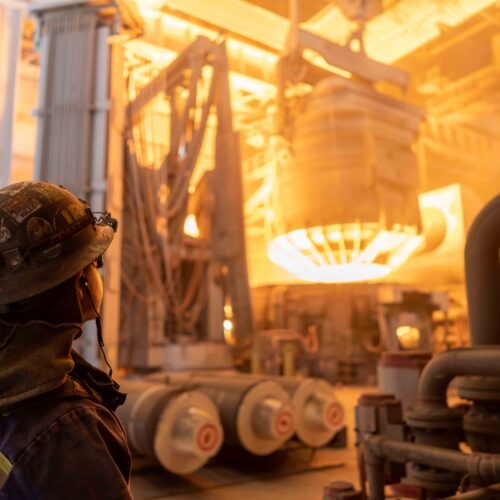
Data centers’ energy demand threatens Trump’s “Made in America” plan
Squeeze on Rust Belt electricity bills threatens Trump’s manufacturing plan.
Signal weather
Momentum is building quickly, so this card is a good early entry point into the topic.
Why now
Fresh coverage with immediate momentum.

SCOTUS lets Texas enforce app store law that Big Tech calls "censorship regime"
Texas win at 5th Circuit left in place as attempts to overturn age law continue.
Signal weather
Momentum is building quickly, so this card is a good early entry point into the topic.
Why now
Fresh coverage with immediate momentum.

Bethesda, id Software reportedly hit hard by Microsoft layoffs
As much as 50 percent of some teams affected by reductions, and more could be coming.
Signal weather
Momentum is building quickly, so this card is a good early entry point into the topic.
Why now
Fresh coverage with immediate momentum.
More from Ars Technica
Fresh reporting and follow-up coverage from the same newsroom.
Michigan sees explosive outbreak of diarrheal parasite with over 700 cases
Cases have risen quickly as officials are working to identify a common source.
Signal weather
Momentum is building quickly, so this card is a good early entry point into the topic.
Why now
Fresh coverage with immediate momentum.
Data centers’ energy demand threatens Trump’s “Made in America” plan
Squeeze on Rust Belt electricity bills threatens Trump’s manufacturing plan.
Signal weather
Momentum is building quickly, so this card is a good early entry point into the topic.
Why now
Fresh coverage with immediate momentum.
SCOTUS lets Texas enforce app store law that Big Tech calls "censorship regime"
Texas win at 5th Circuit left in place as attempts to overturn age law continue.
Signal weather
Momentum is building quickly, so this card is a good early entry point into the topic.
Why now
Fresh coverage with immediate momentum.
Bethesda, id Software reportedly hit hard by Microsoft layoffs
As much as 50 percent of some teams affected by reductions, and more could be coming.
Signal weather
Momentum is building quickly, so this card is a good early entry point into the topic.
Why now
Fresh coverage with immediate momentum.