Sweden goes back to basics, swapping screens for books in the classroom
Sweden is bringing back books amid declining test scores.
Signal weather
Stable
The story has moved beyond the first headline and now acts as a reliable context anchor.

In 2023, the Swedish government announced that the country’s schools would be going back to basics, emphasizing skills such as reading and writing, particularly in early grades. After mostly being sidelined, physical books are now being reintroduced into classrooms, and students are learning to write the old-fashioned way: by hand, with a pencil or pen, on sheets of paper. The Swedish government also plans to make schools cellphone-free throughout the country. Educational authorities have been investing heavily. Last year alone, the education ministry allocated $83 million to purchase textbooks and teachers’ guides. In a country with about 11 million people, the aim is for every student to have a physical textbook for each subject. The government also put $54 million towards the purchase of fiction and non-fiction books for students. These moves represent a dramatic pivot from previous decades, during which Sweden—and many other nations—moved away from physical books in favor of tablets and digital resources in an effort to prepare students for life in an online world. Perhaps unsurprisingly, the Nordic country’s efforts have sparked a debate on the role of digital technology in education, one that extends well beyond the country’s borders. US parents in districts that have adopted digital technology to a great extent may be wondering if educators will reverse course, too. Read full article Comments
Stay on the signal
Follow Sweden goes back to basics, swapping screens for books in the classroom
Follow this story beyond a single article: new follow-ups, adjacent sources, and the evolving storyline.
Story map
Understand this topic fast
A quick entry into the story: why it matters now, who is involved, and where to go next for context.
Why it matters now
Topic constellation
Open the live map for this story
See which entities, story threads, sources, and follow-up articles shape this story right now.
Click nodes to continue
Entity pages
Story timeline
Continue with this story
A short sequence of events and follow-up stories to understand the arc quickly.
How reliable this looks
Signal and trust for Ars Technica
This source works at a rapid pace: 100% of recent stories land in the hot window, and 0% carry visible search signal.
Reliability
92
Freshness
100
Sources in storyline
2
Related articles
More stories that share tags, source, or category context.
T-Mobile moving tens of thousands of virtual machines off VMware amid lawsuit
T-Mobile wants Broadcom to keep supporting its VMware perpetual licenses.
Signal weather
Momentum is building quickly, so this card is a good early entry point into the topic.
Why now
Fresh coverage with immediate momentum.

NASA chief praises progress Blue Origin is making after launch failure
"We've got time into 2027 before we're getting nervous."
Signal weather
Momentum is building quickly, so this card is a good early entry point into the topic.
Why now
Fresh coverage with immediate momentum.
Fable 5 Is Back
Comments
Signal weather
Momentum is building quickly, so this card is a good early entry point into the topic.
Why now
Fresh coverage with immediate momentum.
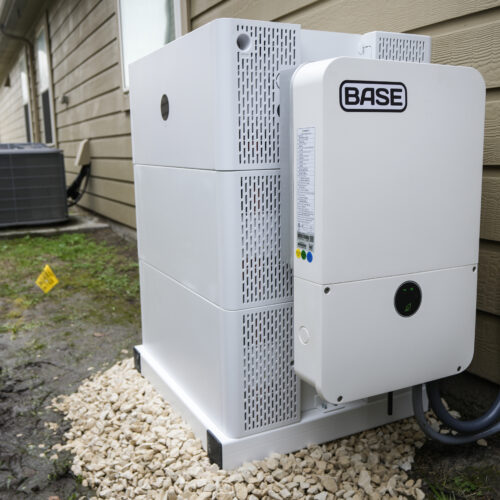
US home battery installations hit record high on rising electricity costs
Record home battery installations unlock options for grids—and AI data centers.
Signal weather
Momentum is building quickly, so this card is a good early entry point into the topic.
Why now
Fresh coverage with immediate momentum.
More from Ars Technica
Fresh reporting and follow-up coverage from the same newsroom.
T-Mobile moving tens of thousands of virtual machines off VMware amid lawsuit
T-Mobile wants Broadcom to keep supporting its VMware perpetual licenses.
Signal weather
Momentum is building quickly, so this card is a good early entry point into the topic.
Why now
Fresh coverage with immediate momentum.
NASA chief praises progress Blue Origin is making after launch failure
"We've got time into 2027 before we're getting nervous."
Signal weather
Momentum is building quickly, so this card is a good early entry point into the topic.
Why now
Fresh coverage with immediate momentum.
US home battery installations hit record high on rising electricity costs
Record home battery installations unlock options for grids—and AI data centers.
Signal weather
Momentum is building quickly, so this card is a good early entry point into the topic.
Why now
Fresh coverage with immediate momentum.
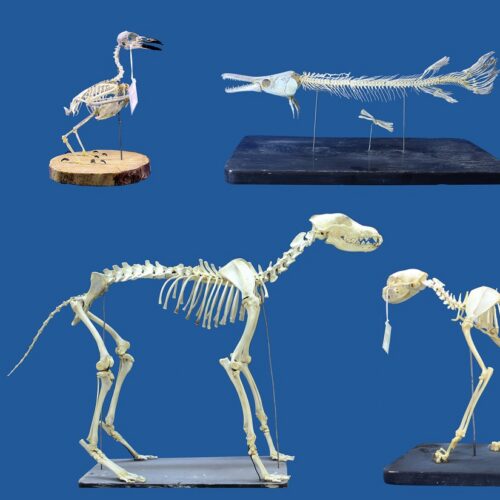
Superworms could replace beetles for cleaning skeletal remains
An optimal ratio of 10-15 grams of larvae per gram of specimen minimized cleaning time with no bone damage.
Signal weather
Momentum is building quickly, so this card is a good early entry point into the topic.
Why now
Fresh coverage with immediate momentum.
More coverage around this story
Related reporting and closely matched stories around the same topic.
Sweden goes back to basics, swapping screens for books in the classroom
Comments
Signal weather
The story has moved beyond the first headline and now acts as a reliable context anchor.
Why now
This story is still moving and pulling follow-up coverage.