Trump staffs science and technology panel with non-scientists
Appointee list is in keeping with the administration's hostility toward science.
Signal weather
Stable
The story has moved beyond the first headline and now acts as a reliable context anchor.
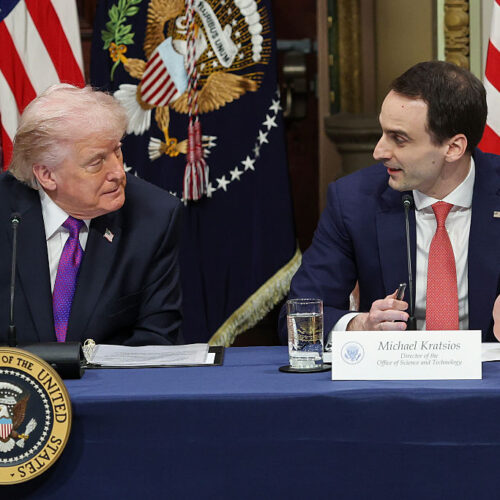
PCAST, the President’s Council of Advisors on Science and Technology, is generally not a high-profile group. It tends to be noticed when things go wrong, such as when the PCAST head named by Biden had to resign due to abusive behavior. Biden, who was generally supportive of science, didn't even name the members of PCAST until eight months after his inauguration. So it's no surprise that an administration that's been hostile to science took even longer to staff its version of the group. The list of appointees was finally released on Wednesday, and it's notable for its almost complete absence of scientists. There are still nine unfilled vacancies on the council, so it's possible more scientists will be named later. But for now, PCAST is heavily tilted toward extremely wealthy technology figures. These include investor Marc Andreessen, Google's Sergey Brin, Michael Dell of Dell, Larry Ellison of Oracle, Jensen Huang of NVIDIA, Lisa Su of AMD, and Mark Zuckerberg of Meta. But many of the lesser known names have similar backgrounds. Previously named chairs of PCAST are investor David Sacks and a former investment company CFO and current head of the Office of Science and Technology Policy, John Kratsios. Of the new appointees, Safra Catz also comes from Oracle, Fred Ehrsam co-founded Coinbase, and David Friedberg is another investor. Read full article Comments
Stay on the signal
Follow Trump staffs science and technology panel with non-scientists
Follow this story beyond a single article: new follow-ups, adjacent sources, and the evolving storyline.
Story map
Understand this topic fast
A quick entry into the story: why it matters now, who is involved, and where to go next for context.
Why it matters now
Topic constellation
Open the live map for this story
See which entities, story threads, sources, and follow-up articles shape this story right now.
Click nodes to continue
Story threads
Story timeline
Continue with this story
A short sequence of events and follow-up stories to understand the arc quickly.
How reliable this looks
Signal and trust for Ars Technica
This source works at a rapid pace: 100% of recent stories land in the hot window, and 0% carry visible search signal.
Reliability
92
Freshness
100
Sources in storyline
1
Related articles
More stories that share tags, source, or category context.

One-two punch delivered in global operation disrupts cybercrime "assembly line"
"Operation Endgame" simultaneously disrupts two widely used crime tools.
Signal weather
Momentum is building quickly, so this card is a good early entry point into the topic.
Why now
Fresh coverage with immediate momentum.
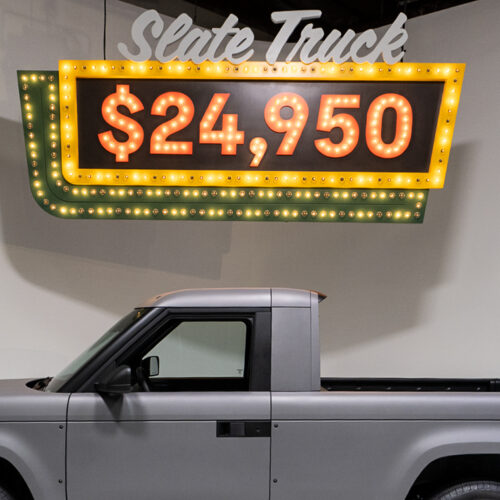
Underpromise, overdeliver? Hands-on with the $24,950 Slate auto.
It has 205 miles of bare-bones range.
Signal weather
Momentum is building quickly, so this card is a good early entry point into the topic.
Why now
Fresh coverage with immediate momentum.

Experimental wine bottle tracks oxygen moving through the cork
The small bit of air in the bottle sees oxygen and other chemicals move in and out.
Signal weather
Momentum is building quickly, so this card is a good early entry point into the topic.
Why now
Fresh coverage with immediate momentum.

FCC plans ID mandate that could block anonymous use of prepaid burner phones
Privacy advocates and domestic violence groups say ID mandate is a big mistake.
Signal weather
Momentum is building quickly, so this card is a good early entry point into the topic.
Why now
Fresh coverage with immediate momentum.
More from Ars Technica
Fresh reporting and follow-up coverage from the same newsroom.
One-two punch delivered in global operation disrupts cybercrime "assembly line"
"Operation Endgame" simultaneously disrupts two widely used crime tools.
Signal weather
Momentum is building quickly, so this card is a good early entry point into the topic.
Why now
Fresh coverage with immediate momentum.
Underpromise, overdeliver? Hands-on with the $24,950 Slate auto.
It has 205 miles of bare-bones range.
Signal weather
Momentum is building quickly, so this card is a good early entry point into the topic.
Why now
Fresh coverage with immediate momentum.

Disney agreed to $50M settlement over claims it made live-TV streaming expensive
Lawsuit alleged Disney inflated market prices by making carriers include ESPN.
Signal weather
Momentum is building quickly, so this card is a good early entry point into the topic.
Why now
Fresh coverage with immediate momentum.
Experimental wine bottle tracks oxygen moving through the cork
The small bit of air in the bottle sees oxygen and other chemicals move in and out.
Signal weather
Momentum is building quickly, so this card is a good early entry point into the topic.
Why now
Fresh coverage with immediate momentum.