Websites have a new way to spy on visitors: analyzing their SSD activity
Telltale SSD activity can be measured in the browser using simple JavaScript.
Signal weather
Rising
Momentum is building quickly, so this card is a good early entry point into the topic.

Over the decades, there has been no shortage of sites using clever techniques to covertly track visitors’ browsing histories, device fingerprints, and log keystrokes and mouse movements in real time. Even Meta and Yandex were recently caught joining in the privacy-invasive free-for-all. Now sites have a new way to spy on their visitors: measuring subtle interactions with their solid-state drives. The technique, named FROST (fingerprinting remotely using OPFS-based SSD timing), allows sites to monitor other sites a visitor is viewing and what apps are open on their devices. A side channel based on contention The technique, laid out in a research paper, exploits a side channel, a form of leak resulting from physical manifestations such as electromagnetic emanations, data caches, or the time required to complete a task. By measuring the manifestations, attackers can decrypt encrypted traffic and infer other confidential data. Read full article Comments
Stay on the signal
Follow Websites have a new way to spy on visitors: analyzing their SSD activity
Follow this story beyond a single article: new follow-ups, adjacent sources, and the evolving storyline.
Story map
Understand this topic fast
A quick entry into the story: why it matters now, who is involved, and where to go next for context.
Why it matters now
Topic constellation
Open the live map for this story
See which entities, story threads, sources, and follow-up articles shape this story right now.
Click nodes to continue
Story timeline
Continue with this story
A short sequence of events and follow-up stories to understand the arc quickly.
How reliable this looks
Signal and trust for Ars Technica
This source works at a rapid pace: 100% of recent stories land in the hot window, and 0% carry visible search signal.
Reliability
92
Freshness
100
Sources in storyline
3
Related articles
More stories that share tags, source, or category context.
Gear Commit: Dev gadget box personalized from GitHub activity
Comments
Signal weather
Momentum is building quickly, so this card is a good early entry point into the topic.
Why now
Fresh coverage with immediate momentum.
A Forth-inspired language for writing websites
Comments
Signal weather
Momentum is building quickly, so this card is a good early entry point into the topic.
Why now
Fresh coverage with immediate momentum.
Spotify will reserve tickets for top fans of an artists in a bid to drum up engagement
Spotify said that it will monitor activity like streams and shares to determine who is a top fan
Signal weather
Momentum is building quickly, so this card is a good early entry point into the topic.
Why now
Fresh coverage with immediate momentum.
Out with the JavaScript, in with the HTML
Comments
Signal weather
The story has moved beyond the first headline and now acts as a reliable context anchor.
Why now
This story is still moving and pulling follow-up coverage.
More from Ars Technica
Fresh reporting and follow-up coverage from the same newsroom.

California defeats Tesla's attempt to throw out racial discrimination lawsuit
California civil rights agency hails win over Tesla, anticipates trial in July.
Signal weather
Momentum is building quickly, so this card is a good early entry point into the topic.
Why now
Fresh coverage with immediate momentum.
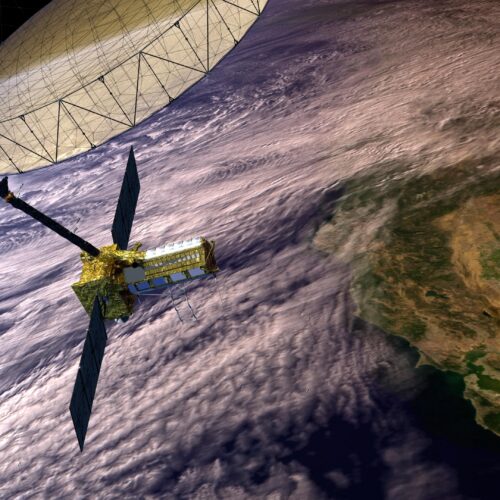
Mystery GPS jammer in Iran becomes test for NASA satellites’ capabilities
NASA science satellites show dual use in locating sources of GPS interference.
Signal weather
Momentum is building quickly, so this card is a good early entry point into the topic.
Why now
Fresh coverage with immediate momentum.

Mina the Hollower is the best old-school action adventure I've played in a while
Smooth movement, compelling combat, and tons of secrets make for an innovative throwback.
Signal weather
Momentum is building quickly, so this card is a good early entry point into the topic.
Why now
Fresh coverage with immediate momentum.

Nvidia bets $150B on Taiwan as Trump's plan to make US an AI hub backfires
Nvidia will invest $150 billion a year to make Taiwan an AI “epicenter.”
Signal weather
Momentum is building quickly, so this card is a good early entry point into the topic.
Why now
Fresh coverage with immediate momentum.