A bit of good news: It's possible to turn around a groundwater crisis
Analyzing dozens of cases around the world yields some practical lessons.
Signal weather
Stable
The story has moved beyond the first headline and now acts as a reliable context anchor.

Generally, when you hear “water use” and “sustainability,” you expect those words to be followed by some bad news. Humanity’s enduring ability to ignore the math of declining water supplies is almost impressive. But there are cases where actions have successfully reversed our loss of water resources. A new paper in Science by Scott Jasechko of the University of California, Santa Barbara, examines documented cases of groundwater recovery around the world to identify which strategies have worked. Groundwater is invaluable for many reasons. For one, it’s (usually) cleaner than surface water. It’s also right under your feet and often close enough to the surface that it doesn’t take much energy to pump it up. And there’s loads of it down there, no matter the season. Because of this, humans use a lot of it for drinking water, agriculture, and every other use you can think of. Unfortunately, in many places, the rate of groundwater use has grown to exceed the rate at which precipitation soaks into the ground to replenish it. Read full article Comments
Stay on the signal
Follow A bit of good news: It's possible to turn around a groundwater crisis
Follow this story beyond a single article: new follow-ups, adjacent sources, and the evolving storyline.
Story map
Understand this topic fast
A quick entry into the story: why it matters now, who is involved, and where to go next for context.
Why it matters now
Topic constellation
Open the live map for this story
See which entities, story threads, sources, and follow-up articles shape this story right now.
Click nodes to continue
Entity pages
Story timeline
Continue with this story
A short sequence of events and follow-up stories to understand the arc quickly.
How reliable this looks
Signal and trust for Ars Technica
This source works at a steady pace: 100% of recent stories land in the hot window, and 0% carry visible search signal.
Reliability
92
Freshness
100
Sources in storyline
2
Related articles
More stories that share tags, source, or category context.
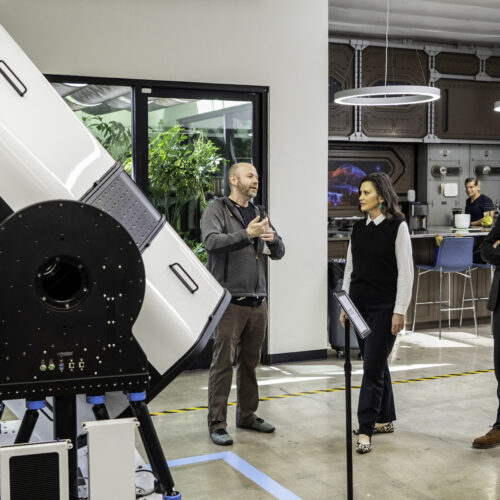
This former hacker saw the light—and now wants to collect all of it
"I don’t know of a bigger question we can answer as humans."
Signal weather
Momentum is building quickly, so this card is a good early entry point into the topic.
Why now
Fresh coverage with immediate momentum.
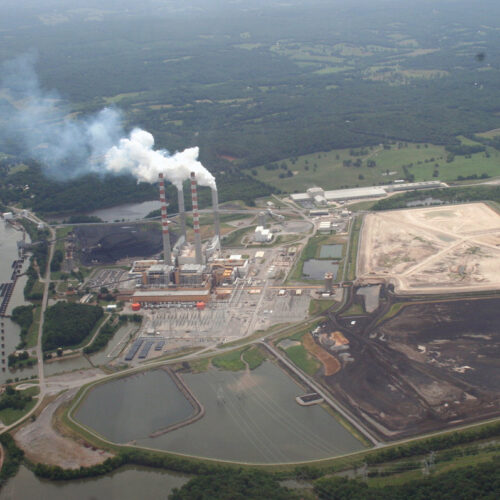
Trump admin’s coal investments assist plants with repeated violations
At least three coal plants have been repeatedly cited for violating environmental regulations.
Signal weather
Momentum is building quickly, so this card is a good early entry point into the topic.
Why now
Fresh coverage with immediate momentum.
Beyond Siri: Here are the practical AI features coming to your iPhone in iOS 27
Siri’s AI overhaul may have grabbed the headlines at WWDC, but some of Apple’s most useful AI features are arriving elsewhere in iOS 27.
Signal weather
Momentum is building quickly, so this card is a good early entry point into the topic.
Why now
Fresh coverage with immediate momentum.
TypeScript 7 RC: the compiler rewritten in Go, around 10x faster
Comments
Signal weather
Momentum is building quickly, so this card is a good early entry point into the topic.
Why now
Fresh coverage with immediate momentum.
More from Ars Technica
Fresh reporting and follow-up coverage from the same newsroom.
This former hacker saw the light—and now wants to collect all of it
"I don’t know of a bigger question we can answer as humans."
Signal weather
Momentum is building quickly, so this card is a good early entry point into the topic.
Why now
Fresh coverage with immediate momentum.

How Anthropic may have talked itself into an AI export ban
The company warned about dangers of advanced AI far more than rival OpenAI.
Signal weather
Momentum is building quickly, so this card is a good early entry point into the topic.
Why now
Fresh coverage with immediate momentum.
Trump admin’s coal investments assist plants with repeated violations
At least three coal plants have been repeatedly cited for violating environmental regulations.
Signal weather
Momentum is building quickly, so this card is a good early entry point into the topic.
Why now
Fresh coverage with immediate momentum.

Review: Widow's Bay is a boldly original take on comedic horror
An eminently binge-able series that honors classic horror tropes while reinventing them in surprising ways.
Signal weather
Momentum is building quickly, so this card is a good early entry point into the topic.
Why now
Fresh coverage with immediate momentum.