A unique NASA satellite is falling out of orbit—this team is trying to rescue it
Katalyst Space Technologies must launch the Swift rescue mission by this summer.
Signal weather
Stable
The story has moved beyond the first headline and now acts as a reliable context anchor.
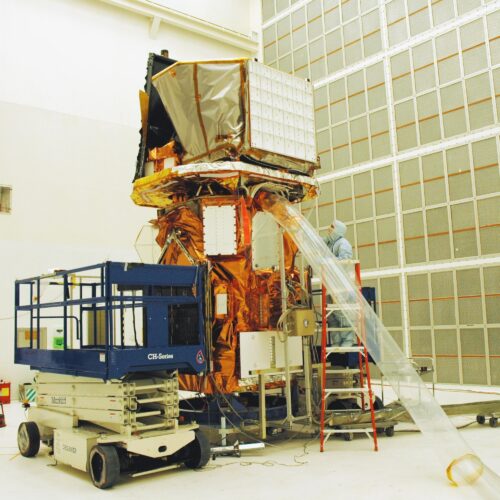
BROOMFIELD, Colorado—One of NASA's oldest astronomy missions, the Neil Gehrels Swift Observatory, has been out of action for more than a month as scientists await the arrival of a pioneering robotic rescue mission. The 21-year-old spacecraft is falling out of orbit, and NASA officials believe it's worth saving—for the right price. Swift is not a flagship astronomy mission like Hubble or Webb, so there's no talk of sending astronauts or spending hundreds of millions of dollars on a rescue expedition. Hubble was upgraded by five space shuttle missions, and billionaire and commercial astronaut Jared Isaacman—now NASA's administrator—proposed a privately funded mission to service Hubble in 2022, but the agency rejected the idea. Swift may be a more suitable target for a first-of-a-kind commercial rescue mission. It has cost roughly $500 million (adjusted for inflation) to build, launch, and operate, but it is significantly less expensive than Hubble, so the consequences of a botched rescue would be far less severe. Last September, NASA awarded a company named Katalyst Space Technologies a $30 million contract to rapidly build and launch a commercial satellite to stabilize Swift's orbit and extend its mission. Read full article Comments
Stay on the signal
Follow A unique NASA satellite is falling out of orbit—this team is trying to rescue it
Follow this story beyond a single article: new follow-ups, adjacent sources, and the evolving storyline.
Story map
Understand this topic fast
A quick entry into the story: why it matters now, who is involved, and where to go next for context.
Why it matters now
Topic constellation
Open the live map for this story
See which entities, story threads, sources, and follow-up articles shape this story right now.
Click nodes to continue
Entity pages
Story threads
Story timeline
Continue with this story
A short sequence of events and follow-up stories to understand the arc quickly.
How reliable this looks
Signal and trust for Ars Technica
This source works at a rapid pace: 100% of recent stories land in the hot window, and 0% carry visible search signal.
Reliability
92
Freshness
100
Sources in storyline
2
Related articles
More stories that share tags, source, or category context.
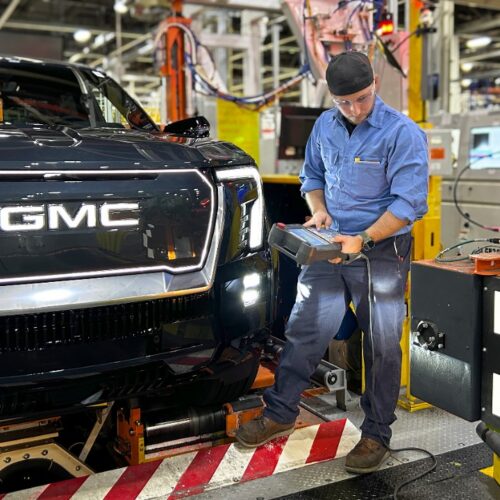
GM installs robots at flagship EV factory after laying off 1,300 workers
US autoworkers union warns of robot automation as dark factory future looms.
Signal weather
Momentum is building quickly, so this card is a good early entry point into the topic.
Why now
Fresh coverage with immediate momentum.
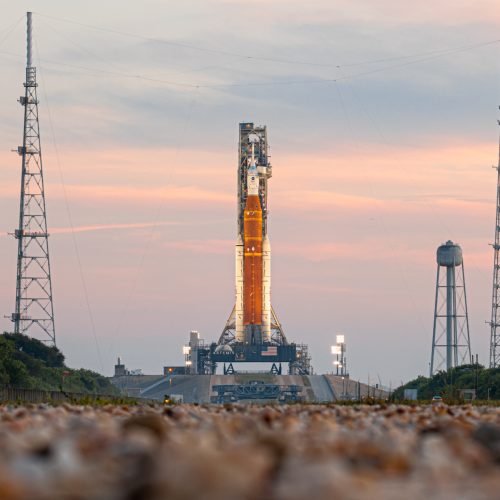
Report: Kennedy Space Center not ready for era of super heavy rockets
SpaceX has told NASA it plans to launch Starship every eight days from Kennedy.
Signal weather
Momentum is building quickly, so this card is a good early entry point into the topic.
Why now
Fresh coverage with immediate momentum.
Man used massage gun on his tired eyeballs. It went as well as you'd expect.
He had retinal tears and bruises from squishing his eyeballs with the gun.
Signal weather
Momentum is building quickly, so this card is a good early entry point into the topic.
Why now
Fresh coverage with immediate momentum.

Polymarket's viral videos showed people winning big, but the bets were fake
"Winning" bets were made on cloned website and would have lost money, WSJ finds.
Signal weather
Momentum is building quickly, so this card is a good early entry point into the topic.
Why now
Fresh coverage with immediate momentum.
More from Ars Technica
Fresh reporting and follow-up coverage from the same newsroom.
GM installs robots at flagship EV factory after laying off 1,300 workers
US autoworkers union warns of robot automation as dark factory future looms.
Signal weather
Momentum is building quickly, so this card is a good early entry point into the topic.
Why now
Fresh coverage with immediate momentum.
Report: Kennedy Space Center not ready for era of super heavy rockets
SpaceX has told NASA it plans to launch Starship every eight days from Kennedy.
Signal weather
Momentum is building quickly, so this card is a good early entry point into the topic.
Why now
Fresh coverage with immediate momentum.
Man used massage gun on his tired eyeballs. It went as well as you'd expect.
He had retinal tears and bruises from squishing his eyeballs with the gun.
Signal weather
Momentum is building quickly, so this card is a good early entry point into the topic.
Why now
Fresh coverage with immediate momentum.
Polymarket's viral videos showed people winning big, but the bets were fake
"Winning" bets were made on cloned website and would have lost money, WSJ finds.
Signal weather
Momentum is building quickly, so this card is a good early entry point into the topic.
Why now
Fresh coverage with immediate momentum.