After nearly breaking, NASA's Deep Space Network "worked well" on Artemis II
"Some missions are using more than what their paperwork would say."
Signal weather
Rising
Momentum is building quickly, so this card is a good early entry point into the topic.
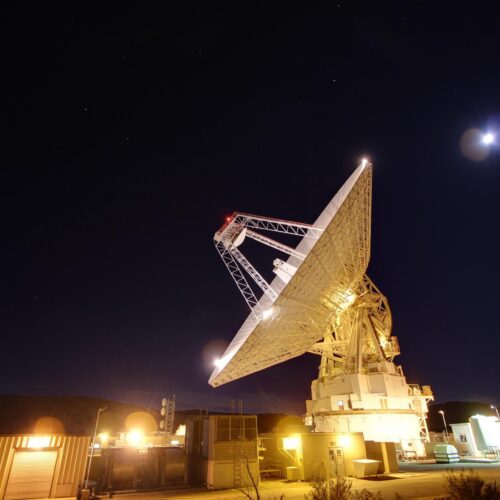
NASA pushed its Deep Space Network beyond its limits during the Artemis I mission nearly four years ago. The global array of deep space communications antennas couldn't keep up with the routine demands of 40 robotic science missions and the extraordinary surge required by NASA's Orion space capsule as it flew around the Moon. The experience in late 2022 reduced or delayed downlinks from several high-profile science missions, including the James Webb Space Telescope and Mars rovers, as the data-hungry Artemis I mission took priority on NASA's communications network. And that was before the first Artemis mission with astronauts onboard. When Artemis II launched April 1, NASA called upon the Deep Space Network (DSN) again to connect Mission Control to the Orion capsule as it soared more than a quarter of a million miles from Earth. With a crew of four flying inside the spacecraft, the agency's appetite for data from Orion on Artemis II was even higher than it was on Artemis I. But at a little more than nine days, the Artemis II mission was shorter than the 25 days Artemis I spent in space, helping alleviate the communications overload. Artemis I also launched 10 small CubeSats into deep space, many of which required tracking and telecom services from the DSN. Artemis II carried fewer CubeSats. Read full article Comments
Stay on the signal
Follow After nearly breaking, NASA's Deep Space Network "worked well" on Artemis II
Follow this story beyond a single article: new follow-ups, adjacent sources, and the evolving storyline.
Story map
Understand this topic fast
A quick entry into the story: why it matters now, who is involved, and where to go next for context.
Why it matters now
Topic constellation
Open the live map for this story
See which entities, story threads, sources, and follow-up articles shape this story right now.
Click nodes to continue
Entity pages
Story timeline
Continue with this story
A short sequence of events and follow-up stories to understand the arc quickly.
How reliable this looks
Signal and trust for Ars Technica
This source works at a rapid pace: 100% of recent stories land in the hot window, and 0% carry visible search signal.
Reliability
92
Freshness
100
Sources in storyline
1
Related articles
More stories that share tags, source, or category context.

Ted Cruz and Ron Wyden try to fight censorship with bipartisan JAWBONE Act
Cruz/Wyden bill would help Americans sue federal officials over censorship.
Signal weather
Momentum is building quickly, so this card is a good early entry point into the topic.
Why now
Fresh coverage with immediate momentum.
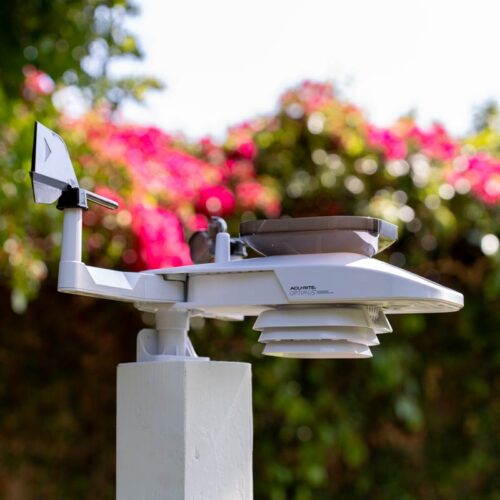
AcuRite admits new app falls short, delays old app’s May shutdown to fix problems
The old app "still needs to be retired," AcuRite tells us.
Signal weather
Momentum is building quickly, so this card is a good early entry point into the topic.
Why now
Fresh coverage with immediate momentum.
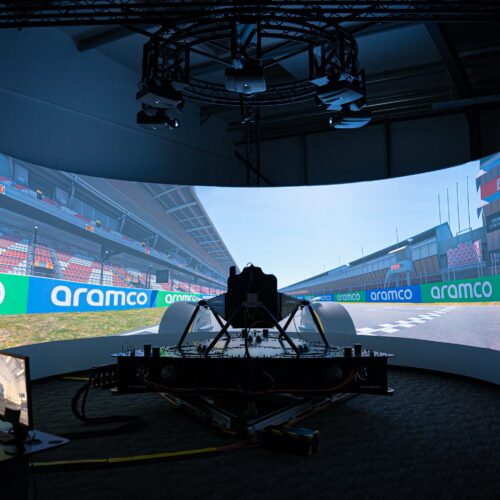
F1 teams spend millions on their simulators—what makes them different?
Latency, bandwidth, and fidelity all matter when you're chasing milliseconds.
Signal weather
Momentum is building quickly, so this card is a good early entry point into the topic.
Why now
Fresh coverage with immediate momentum.
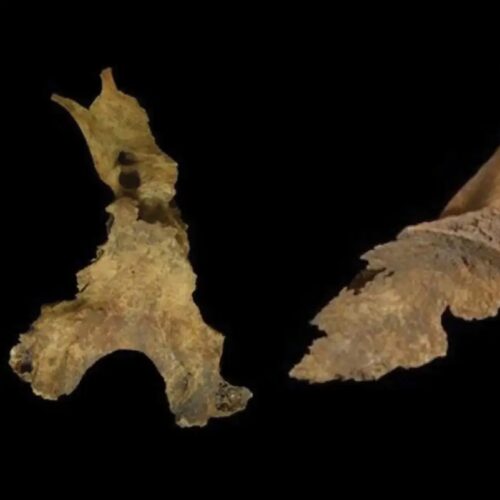
Did Iron Age Britons remove brains of the dead?
Archaeologists found apparent scrape marks inside a skull; long bones may have been sharpened into tools.
Signal weather
Momentum is building quickly, so this card is a good early entry point into the topic.
Why now
Fresh coverage with immediate momentum.
More from Ars Technica
Fresh reporting and follow-up coverage from the same newsroom.
Ted Cruz and Ron Wyden try to fight censorship with bipartisan JAWBONE Act
Cruz/Wyden bill would help Americans sue federal officials over censorship.
Signal weather
Momentum is building quickly, so this card is a good early entry point into the topic.
Why now
Fresh coverage with immediate momentum.
AcuRite admits new app falls short, delays old app’s May shutdown to fix problems
The old app "still needs to be retired," AcuRite tells us.
Signal weather
Momentum is building quickly, so this card is a good early entry point into the topic.
Why now
Fresh coverage with immediate momentum.
F1 teams spend millions on their simulators—what makes them different?
Latency, bandwidth, and fidelity all matter when you're chasing milliseconds.
Signal weather
Momentum is building quickly, so this card is a good early entry point into the topic.
Why now
Fresh coverage with immediate momentum.
Did Iron Age Britons remove brains of the dead?
Archaeologists found apparent scrape marks inside a skull; long bones may have been sharpened into tools.
Signal weather
Momentum is building quickly, so this card is a good early entry point into the topic.
Why now
Fresh coverage with immediate momentum.