Elon Musk insists banks working on SpaceX IPO must buy Grok subscriptions
Some banks "agreed to spend tens of millions on the chatbot," NYT reports.
Signal weather
Stable
The story has moved beyond the first headline and now acts as a reliable context anchor.
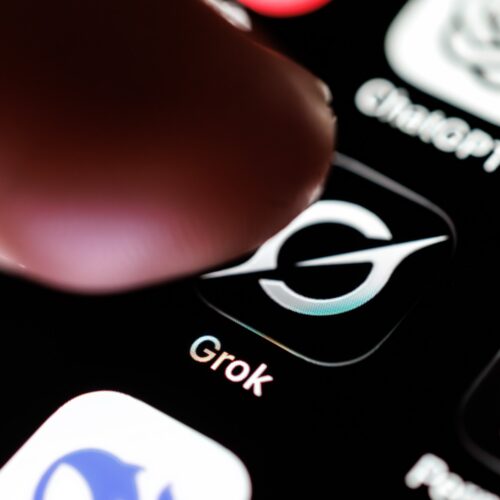
Banks and other firms that want to work on SpaceX's initial public offering (IPO) are being required to buy subscriptions to the Grok AI service, The New York Times reported today. Elon Musk "is requiring banks, law firms, auditors and other advisers working on the IPO to buy subscriptions to Grok, his artificial intelligence chatbot that is part of SpaceX," the NYT wrote, citing anonymous sources who are familiar with the confidential negotiations. "Some of the banks have agreed to spend tens of millions on the chatbot and they have already started integrating Grok into their IT systems." SpaceX reportedly filed IPO paperwork with the Securities and Exchange Commission this week. The IPO filing came two months after SpaceX purchased xAI, the Musk company that produces Grok. xAI purchased the X social network in March 2025. Read full article Comments
Stay on the signal
Follow Elon Musk insists banks working on SpaceX IPO must buy Grok subscriptions
Follow this story beyond a single article: new follow-ups, adjacent sources, and the evolving storyline.
Story map
Understand this topic fast
A quick entry into the story: why it matters now, who is involved, and where to go next for context.
Why it matters now
Topic constellation
Open the live map for this story
See which entities, story threads, sources, and follow-up articles shape this story right now.
Click nodes to continue
Entity pages
Story timeline
Continue with this story
A short sequence of events and follow-up stories to understand the arc quickly.
How reliable this looks
Signal and trust for Ars Technica
This source works at a rapid pace: 100% of recent stories land in the hot window, and 0% carry visible search signal.
Reliability
92
Freshness
100
Sources in storyline
1
Related articles
More stories that share tags, source, or category context.
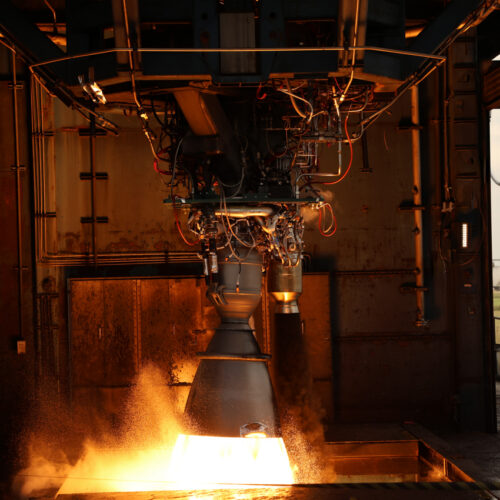
Rocket Report: Indian startup nears first launch; SpaceX's millenary milestone
NASA awarded Rocket Lab deals for three dedicated launches using the company's Electron rocket.
Signal weather
Momentum is building quickly, so this card is a good early entry point into the topic.
Why now
Fresh coverage with immediate momentum.

Inside the Luddite festival harnessing Gen Z’s rage against Big Tech
New York City’s Summer of Ludd festival is teaching people how to live offline.
Signal weather
Momentum is building quickly, so this card is a good early entry point into the topic.
Why now
Fresh coverage with immediate momentum.
Despite the darkness, I still see signs of hope in America
It's difficult to pinpoint the moment in my life where America started to lose the plot.
Signal weather
Momentum is building quickly, so this card is a good early entry point into the topic.
Why now
Fresh coverage with immediate momentum.
Visiting the stars (and planets, and telescopes) in VR
Walkthrough experience includes visits to stars, exoplanets, and observatories.
Signal weather
Momentum is building quickly, so this card is a good early entry point into the topic.
Why now
Fresh coverage with immediate momentum.
More from Ars Technica
Fresh reporting and follow-up coverage from the same newsroom.
Rocket Report: Indian startup nears first launch; SpaceX's millenary milestone
NASA awarded Rocket Lab deals for three dedicated launches using the company's Electron rocket.
Signal weather
Momentum is building quickly, so this card is a good early entry point into the topic.
Why now
Fresh coverage with immediate momentum.
Inside the Luddite festival harnessing Gen Z’s rage against Big Tech
New York City’s Summer of Ludd festival is teaching people how to live offline.
Signal weather
Momentum is building quickly, so this card is a good early entry point into the topic.
Why now
Fresh coverage with immediate momentum.
Despite the darkness, I still see signs of hope in America
It's difficult to pinpoint the moment in my life where America started to lose the plot.
Signal weather
Momentum is building quickly, so this card is a good early entry point into the topic.
Why now
Fresh coverage with immediate momentum.
Visiting the stars (and planets, and telescopes) in VR
Walkthrough experience includes visits to stars, exoplanets, and observatories.
Signal weather
Momentum is building quickly, so this card is a good early entry point into the topic.
Why now
Fresh coverage with immediate momentum.