Once again, ULA can't deliver when the US military needs a satellite in orbit
ULA's Vulcan launch vehicle is grounded after a solid rocket booster anomaly last month.
Signal weather
Stable
The story has moved beyond the first headline and now acts as a reliable context anchor.
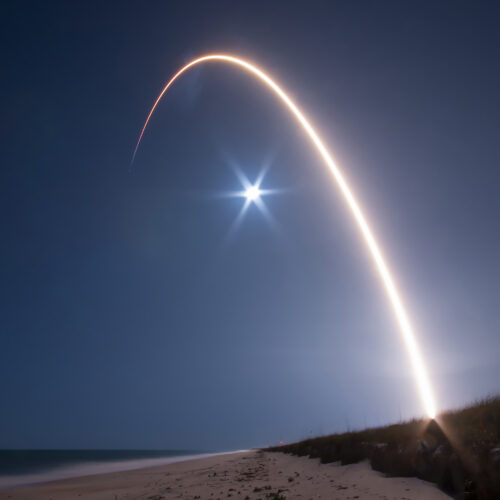
For the fourth time in a little more than a year, the US Space Force needs to send up a new satellite to replenish the military's GPS navigation network. And once again, the company the Pentagon is paying to launch it can't answer the call. United Launch Alliance, a 50-50 joint venture between Boeing and Lockheed Martin, was supposed to launch the final satellite for the Space Force's GPS Block III program this month. Space Systems Command, responsible for buying spacecraft and rockets for the military, announced Friday it has transferred the launch to a Falcon 9 rocket from SpaceX, ULA's chief rival in the market for launching US government satellites. This is only the latest example of the Space Force moving a GPS launch from ULA to SpaceX. The three most recent GPS satellites were also supposed to launch on ULA's Vulcan rocket. Beginning in 2024, the Space Force shifted them over to SpaceX. In exchange, military officials moved three future launches from SpaceX to ULA, including the launch of the GPS III SV10 satellite. Read full article Comments
Stay on the signal
Follow Once again, ULA can't deliver when the US military needs a satellite in orbit
Follow this story beyond a single article: new follow-ups, adjacent sources, and the evolving storyline.
Story map
Understand this topic fast
A quick entry into the story: why it matters now, who is involved, and where to go next for context.
Why it matters now
Topic constellation
Open the live map for this story
See which entities, story threads, sources, and follow-up articles shape this story right now.
Click nodes to continue
Entity pages
Story timeline
Continue with this story
A short sequence of events and follow-up stories to understand the arc quickly.
How reliable this looks
Signal and trust for Ars Technica
This source works at a steady pace: 100% of recent stories land in the hot window, and 0% carry visible search signal.
Reliability
92
Freshness
100
Sources in storyline
1
Related articles
More stories that share tags, source, or category context.
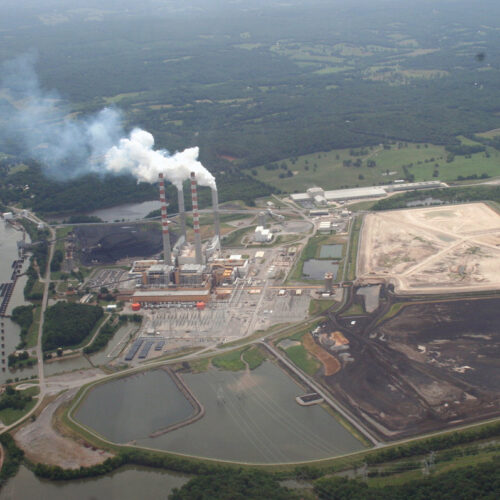
Trump admin’s coal investments assist plants with repeated violations
At least three coal plants have been repeatedly cited for violating environmental regulations.
Signal weather
Momentum is building quickly, so this card is a good early entry point into the topic.
Why now
Fresh coverage with immediate momentum.

Review: Widow's Bay is a boldly original take on comedic horror
An eminently binge-able series that honors classic horror tropes while reinventing them in surprising ways
Signal weather
Momentum is building quickly, so this card is a good early entry point into the topic.
Why now
Fresh coverage with immediate momentum.

The UK will scan asylum-seekers’ faces for age checks—despite knowing the tech is flawed
Tests of age-verification technology show the risks of life-altering errors.
Signal weather
Momentum is building quickly, so this card is a good early entry point into the topic.
Why now
Fresh coverage with immediate momentum.
Satellite reveals immense scale of GPS signal tampering
Comments
Signal weather
Momentum is building quickly, so this card is a good early entry point into the topic.
Why now
Fresh coverage with immediate momentum.
More from Ars Technica
Fresh reporting and follow-up coverage from the same newsroom.
Trump admin’s coal investments assist plants with repeated violations
At least three coal plants have been repeatedly cited for violating environmental regulations.
Signal weather
Momentum is building quickly, so this card is a good early entry point into the topic.
Why now
Fresh coverage with immediate momentum.
Review: Widow's Bay is a boldly original take on comedic horror
An eminently binge-able series that honors classic horror tropes while reinventing them in surprising ways
Signal weather
Momentum is building quickly, so this card is a good early entry point into the topic.
Why now
Fresh coverage with immediate momentum.
The UK will scan asylum-seekers’ faces for age checks—despite knowing the tech is flawed
Tests of age-verification technology show the risks of life-altering errors.
Signal weather
Momentum is building quickly, so this card is a good early entry point into the topic.
Why now
Fresh coverage with immediate momentum.

Rocket Report: Rebuild begins at Blue Origin launch pad; Relativity targets Mars
A French launch startup is scrapping the name of its rocket, apparently due to a trademark issue.
Signal weather
Momentum is building quickly, so this card is a good early entry point into the topic.
Why now
Fresh coverage with immediate momentum.