Protein in Homo erectus teeth suggests Denisovans gave us some of their DNA
Distinct form of tooth protein in Homo erectus shows up in Denisovans—and us.
Signal weather
Stable
The story has moved beyond the first headline and now acts as a reliable context anchor.
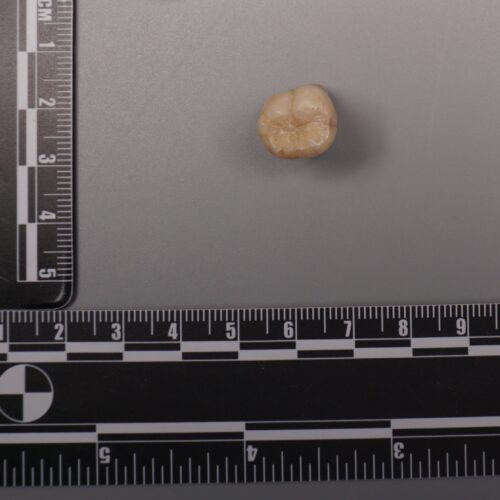
Humanity's ancestry has grown far clearer thanks to our ability to obtain ancient DNA. We now know that, as humans left Africa, they interbred with the groups they met there, Neanderthals and Denisovans. Evidence from the Denisovan genome also suggests that this was nothing new; the Denisovans had apparently interbred with an even earlier group. But the identity of that group remained a bit of a mystery. Now, some evidence from ancient proteins suggests that the mystery group was Homo erectus, a species that left Africa over a million years ago and spread throughout Eurasia. And, thanks to the Denisovans, it appears that modern humans inherited some of that Homo erectus DNA. In the teeth Without access to all the repair enzymes made by living cells, DNA rapidly degrades. The double helix fragments, and bases change identity or fall off entirely. While cooler, drier environments slow this process, it sets a hard limit on how far back in time we can obtain DNA sequences. So far, it seems that Homo erectus remains on the far side of that time limit. Read full article Comments
Stay on the signal
Follow Protein in Homo erectus teeth suggests Denisovans gave us some of their DNA
Follow this story beyond a single article: new follow-ups, adjacent sources, and the evolving storyline.
Story map
Understand this topic fast
A quick entry into the story: why it matters now, who is involved, and where to go next for context.
Why it matters now
Topic constellation
Open the live map for this story
See which entities, story threads, sources, and follow-up articles shape this story right now.
Click nodes to continue
Entity pages
Story timeline
Continue with this story
A short sequence of events and follow-up stories to understand the arc quickly.
How reliable this looks
Signal and trust for Ars Technica
This source works at a rapid pace: 100% of recent stories land in the hot window, and 0% carry visible search signal.
Reliability
92
Freshness
100
Sources in storyline
1
Related articles
More stories that share tags, source, or category context.
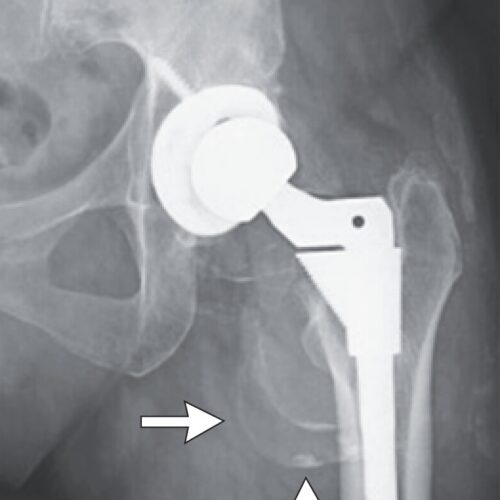
Woman's puzzling decline turns out to be cobalt poisoning from hip replacement
Doctors find grey fluid and dead, metallic flesh inside poisoned woman's hip.
Signal weather
Momentum is building quickly, so this card is a good early entry point into the topic.
Why now
Fresh coverage with immediate momentum.

Google’s AI buildout drove 37% increase in electricity use in 2025
Google tries balancing AI data center emissions with clean energy efforts.
Signal weather
Momentum is building quickly, so this card is a good early entry point into the topic.
Why now
Fresh coverage with immediate momentum.
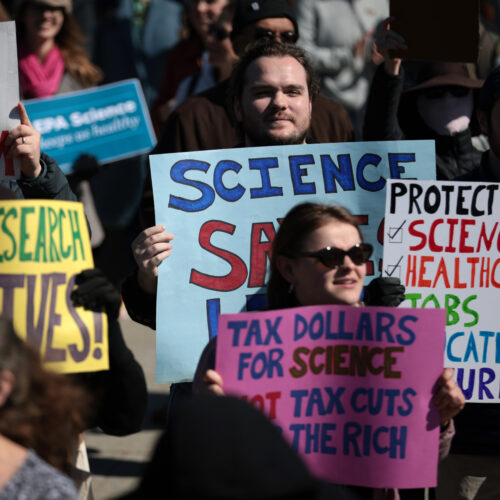
Editorial: It's time to step up and have your say for science
Your comments on a dangerous rule putting politicals in charge of science can matter.
Signal weather
Momentum is building quickly, so this card is a good early entry point into the topic.
Why now
Fresh coverage with immediate momentum.

T-Mobile moving tens of thousands of virtual machines off VMware amid lawsuit
T-Mobile wants Broadcom to keep supporting its VMware perpetual licenses.
Signal weather
Momentum is building quickly, so this card is a good early entry point into the topic.
Why now
Fresh coverage with immediate momentum.
More from Ars Technica
Fresh reporting and follow-up coverage from the same newsroom.
Woman's puzzling decline turns out to be cobalt poisoning from hip replacement
Doctors find grey fluid and dead, metallic flesh inside poisoned woman's hip.
Signal weather
Momentum is building quickly, so this card is a good early entry point into the topic.
Why now
Fresh coverage with immediate momentum.
Google’s AI buildout drove 37% increase in electricity use in 2025
Google tries balancing AI data center emissions with clean energy efforts.
Signal weather
Momentum is building quickly, so this card is a good early entry point into the topic.
Why now
Fresh coverage with immediate momentum.
Editorial: It's time to step up and have your say for science
Your comments on a dangerous rule putting politicals in charge of science can matter.
Signal weather
Momentum is building quickly, so this card is a good early entry point into the topic.
Why now
Fresh coverage with immediate momentum.
T-Mobile moving tens of thousands of virtual machines off VMware amid lawsuit
T-Mobile wants Broadcom to keep supporting its VMware perpetual licenses.
Signal weather
Momentum is building quickly, so this card is a good early entry point into the topic.
Why now
Fresh coverage with immediate momentum.