SpaceX tries to convince FCC that Amazon put satellites into wrong altitude
Amazon denies violation, says SpaceX caused conflict by lowering Starlink satellites.
Signal weather
Stable
The story has moved beyond the first headline and now acts as a reliable context anchor.
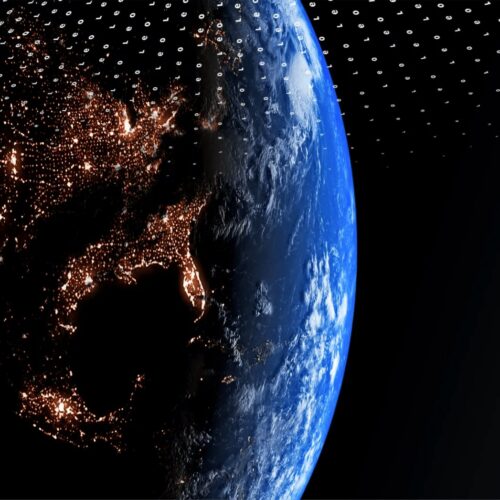
Starlink operator SpaceX claims that Amazon violated orbital debris requirements by launching satellites into initial altitudes that are too high, increasing the risk of collision with other satellites and spacecraft. SpaceX, which recently reported two Starlink satellite failures that created new space debris, yesterday accused Amazon and its launch partner Arianespace of negligence that "needlessly and significantly increases risk to other operational systems and inhabited spacecraft." Amazon Leo, formerly known as Kuiper Systems, is launching satellites into low-Earth orbits (LEO) to compete against Starlink's much larger constellation of broadband satellites. Amazon denied that its launch altitudes violate any requirements or impose a safety risk and said SpaceX itself helped Amazon launch satellites into a similar altitude last year when Amazon used SpaceX as a launch partner. SpaceX only objected to the launch parameters after moving its Starlink satellites into nearby altitudes, Amazon said. Changing the altitude of a recent Leo launch would have delayed it by months, according to Amazon. Both Amazon and SpaceX have accused each other of using Federal Communications Commission proceedings to delay the other's satellite launches at various times over the years. Read full article Comments
Stay on the signal
Follow SpaceX tries to convince FCC that Amazon put satellites into wrong altitude
Follow this story beyond a single article: new follow-ups, adjacent sources, and the evolving storyline.
Story map
Understand this topic fast
A quick entry into the story: why it matters now, who is involved, and where to go next for context.
Why it matters now
Topic constellation
Open the live map for this story
See which entities, story threads, sources, and follow-up articles shape this story right now.
Click nodes to continue
Entity pages
Story timeline
Continue with this story
A short sequence of events and follow-up stories to understand the arc quickly.
How reliable this looks
Signal and trust for Ars Technica
This source works at a rapid pace: 100% of recent stories land in the hot window, and 0% carry visible search signal.
Reliability
92
Freshness
100
Sources in storyline
2
Related articles
More stories that share tags, source, or category context.
Amazon will stop accepting new customers for Mechanical Turk
These may be the last days of Amazon’s Mechanical Turk.
Signal weather
Momentum is building quickly, so this card is a good early entry point into the topic.
Why now
Fresh coverage with immediate momentum.
Chemical accidents rise as Trump administration proposes weakening safety rules
Chemicals from accidents that injured or killed people increased by nearly 50 percent in recent years.
Signal weather
Momentum is building quickly, so this card is a good early entry point into the topic.
Why now
Fresh coverage with immediate momentum.
The missing 500 million: Cosmic bombardment melted Earth's first crust
The heat of the Hadean may have come from impacts as well as the interior.
Signal weather
Momentum is building quickly, so this card is a good early entry point into the topic.
Why now
Fresh coverage with immediate momentum.
“Beyond the limit”: Satellites and mirrors in space pose threat to the night sky
Comments
Signal weather
Momentum is building quickly, so this card is a good early entry point into the topic.
Why now
Fresh coverage with immediate momentum.
More from Ars Technica
Fresh reporting and follow-up coverage from the same newsroom.
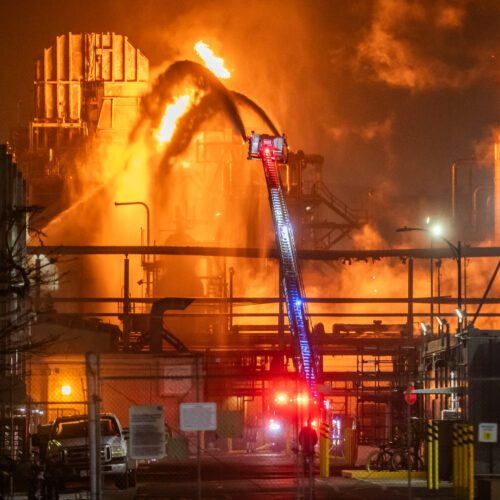
Chemical accidents rise as Trump administration proposes weakening safety rules
Chemicals from accidents that injured or killed people increased by nearly 50 percent in recent years.
Signal weather
Momentum is building quickly, so this card is a good early entry point into the topic.
Why now
Fresh coverage with immediate momentum.
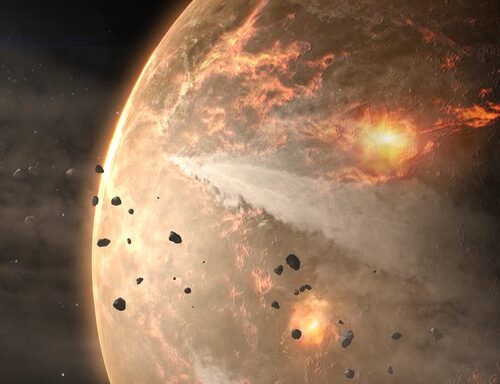
The missing 500 million: Cosmic bombardment melted Earth's first crust
The heat of the Hadean may have come from impacts as well as the interior.
Signal weather
Momentum is building quickly, so this card is a good early entry point into the topic.
Why now
Fresh coverage with immediate momentum.

Review: Supergirl is not the disaster its low box office suggests
It’s a pretty good movie, but it needed to be a great movie to thrive in an oversaturated superhero market.
Signal weather
Momentum is building quickly, so this card is a good early entry point into the topic.
Why now
Fresh coverage with immediate momentum.

When the ability to smell goes away
Disturbances in this critical sense are often linked to problems with brain health.
Signal weather
Momentum is building quickly, so this card is a good early entry point into the topic.
Why now
Fresh coverage with immediate momentum.