Why is NASA bothering to go back to the Moon if we've already been there?
NASA has struggled to deal with the widespread sentiment that NASA has “been there, done that."
Signal weather
Stable
The story has moved beyond the first headline and now acts as a reliable context anchor.
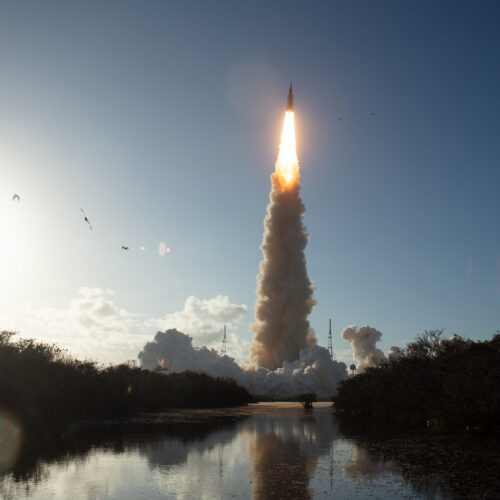
KENNEDY SPACE CENTER, Fla.—The first time NASA launched humans toward the Moon, in December 1968, the United States was a deeply fractured nation. The historic flight of three people into the unknown brought a measure of solace to a country riven by assassinations, riots, political discord, and a deeply unpopular foreign war. If history does not repeat itself, it certainly rhymes. Today, four humans are on the way to the Moon, Reid Wiseman, Victor Glover, Christina Koch, and Jeremy Hansen. They do so, once again, amid a troubled world. Read full article Comments
Stay on the signal
Follow Why is NASA bothering to go back to the Moon if we've already been there?
Follow this story beyond a single article: new follow-ups, adjacent sources, and the evolving storyline.
Story map
Understand this topic fast
A quick entry into the story: why it matters now, who is involved, and where to go next for context.
Why it matters now
Topic constellation
Open the live map for this story
See which entities, story threads, sources, and follow-up articles shape this story right now.
Click nodes to continue
Entity pages
Story timeline
Continue with this story
A short sequence of events and follow-up stories to understand the arc quickly.
How reliable this looks
Signal and trust for Ars Technica
This source works at a rapid pace: 100% of recent stories land in the hot window, and 0% carry visible search signal.
Reliability
92
Freshness
100
Sources in storyline
1
Related articles
More stories that share tags, source, or category context.

FCC to end Biden-era rule that forces ISPs to list all their fees
FCC to let ISPs stop listing all passthrough fees, give single "up to" price.
Signal weather
Momentum is building quickly, so this card is a good early entry point into the topic.
Why now
Fresh coverage with immediate momentum.

Kremlin suspected of flying drones over Europe using Russian shadow fleet
Drone intruders that possibly flew from Russian ships showed Europe isn’t ready.
Signal weather
Momentum is building quickly, so this card is a good early entry point into the topic.
Why now
Fresh coverage with immediate momentum.
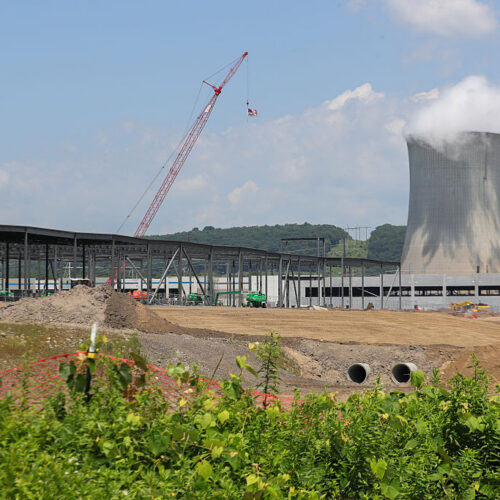
NRC is (sort of) getting rid of "as low as reasonably achievable" standard
Its issues with current nuclear safety standards are termed semantic, not physical.
Signal weather
Momentum is building quickly, so this card is a good early entry point into the topic.
Why now
Fresh coverage with immediate momentum.
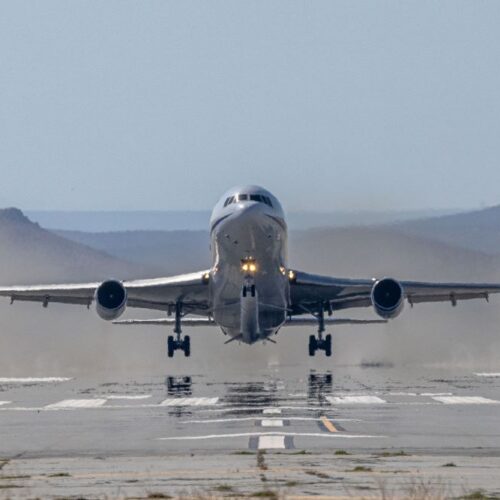
Katalyst's satellite rescue mission is now in pursuit of NASA's Swift
It will take several weeks for the Link spacecraft to rendezvous with NASA's Swift observatory.
Signal weather
Momentum is building quickly, so this card is a good early entry point into the topic.
Why now
Fresh coverage with immediate momentum.
More from Ars Technica
Fresh reporting and follow-up coverage from the same newsroom.
FCC to end Biden-era rule that forces ISPs to list all their fees
FCC to let ISPs stop listing all passthrough fees, give single "up to" price.
Signal weather
Momentum is building quickly, so this card is a good early entry point into the topic.
Why now
Fresh coverage with immediate momentum.
Kremlin suspected of flying drones over Europe using Russian shadow fleet
Drone intruders that possibly flew from Russian ships showed Europe isn’t ready.
Signal weather
Momentum is building quickly, so this card is a good early entry point into the topic.
Why now
Fresh coverage with immediate momentum.
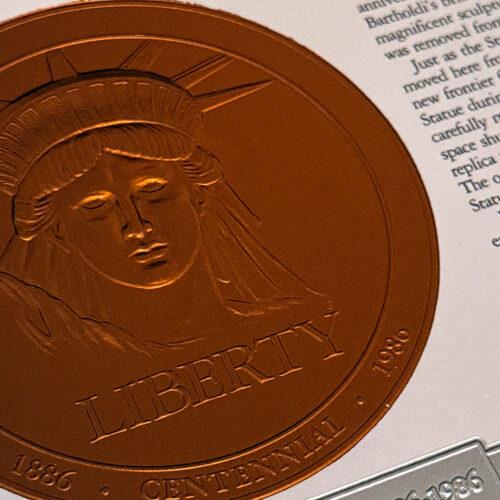
What is the oldest American object ever launched into space?
From a Revolutionary War flag to the Statue of Liberty...
Signal weather
Momentum is building quickly, so this card is a good early entry point into the topic.
Why now
Fresh coverage with immediate momentum.
NRC is (sort of) getting rid of "as low as reasonably achievable" standard
Its issues with current nuclear safety standards are termed semantic, not physical.
Signal weather
Momentum is building quickly, so this card is a good early entry point into the topic.
Why now
Fresh coverage with immediate momentum.