What happened to Amelia Earhart? New book takes on the case.
Rachel Hartigan on her new book, Lost: Amelia Earhart's Three Mysterious Deaths and One Extraordinary Life.
Signal weather
Stable
The story has moved beyond the first headline and now acts as a reliable context anchor.

Famed aviator Amelia Earhart mysteriously disappeared in 1937 during an attempt to become the first female pilot to circumnavigate the globe. Speculative theories abound about what really happened to Earhart, but while tantalizing hints of her fate have popped up from time to time over the last 90 years, none have proved conclusive. The people behind those theories, and the extraordinary woman who still inspires them, are the focus of an eminently readable new book, Lost: Amelia Earhart's Three Mysterious Deaths and One Extraordinary Life, by Rachel Hartigan. A former editor of The Washington Post's Book World, Hartigan worked for National Geographic magazine for 12 years, covering such diverse topics as the genetics of persimmon trees and the history of women's suffrage. So why a book about Earhart? Hartigan acknowledged that she asked that question herself "in the darkest moments of writing." After all, there are countless biographies for readers of all ages, as well as books touting various theories about Earhart's disappearance, not to mention occasional news coverage about the latest attempts to locate Earhart's plane or her remains. (Last fall, we reported on Laurie Gwen Shapiro's The Aviator and the Showman, a biography exploring Earhart's unconventional marriage to George Putnam, a flamboyant publisher with a flair for marketing.) "I just didn't feel there was a book that tied everything together," Hartigan told Ars. "You get these news stories of people saying they know where Amelia Earhart is, but you don't have any context beyond the immediate story, all the things that make it a full picture."Read full article Comments
Stay on the signal
Follow What happened to Amelia Earhart? New book takes on the case.
Follow this story beyond a single article: new follow-ups, adjacent sources, and the evolving storyline.
Story map
Understand this topic fast
A quick entry into the story: why it matters now, who is involved, and where to go next for context.
Why it matters now
Topic constellation
Open the live map for this story
See which entities, story threads, sources, and follow-up articles shape this story right now.
Click nodes to continue
Story timeline
Continue with this story
A short sequence of events and follow-up stories to understand the arc quickly.
How reliable this looks
Signal and trust for Ars Technica
This source works at a steady pace: 100% of recent stories land in the hot window, and 0% carry visible search signal.
Reliability
92
Freshness
100
Sources in storyline
1
Related articles
More stories that share tags, source, or category context.
Man jailed for a month despite Flock showing he was 5 miles from crime scene
Cop seemingly ignored Flock camera timestamp to justify arrests.
Signal weather
Momentum is building quickly, so this card is a good early entry point into the topic.
Why now
Fresh coverage with immediate momentum.

F1 in Monaco: Finally, the cars were flat-out in qualifying
The cars are too big to race well, but the competition for pole position is thrilling.
Signal weather
Momentum is building quickly, so this card is a good early entry point into the topic.
Why now
Fresh coverage with immediate momentum.
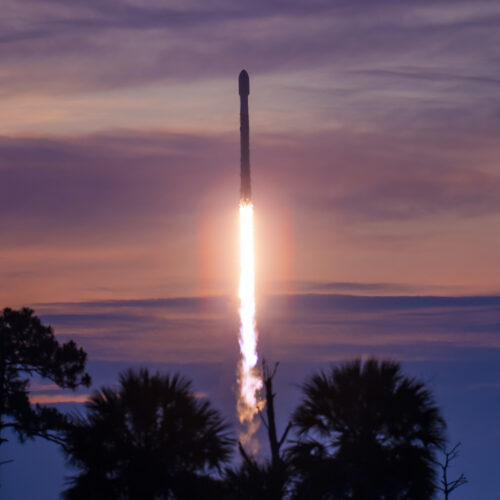
A Falcon 9 booster turns 5 years old—and just set a remarkable reuse record
We take the Falcon 9 rocket for granted. But we probably shouldn't.
Signal weather
Momentum is building quickly, so this card is a good early entry point into the topic.
Why now
Fresh coverage with immediate momentum.

Michigan politicians want to ban Chinese-badged cars from even visiting the US
The latest bill would ban day trips from Canada or Mexico in Chinese cars.
Signal weather
Momentum is building quickly, so this card is a good early entry point into the topic.
Why now
Fresh coverage with immediate momentum.
More from Ars Technica
Fresh reporting and follow-up coverage from the same newsroom.
Man jailed for a month despite Flock showing he was 5 miles from crime scene
Cop seemingly ignored Flock camera timestamp to justify arrests.
Signal weather
Momentum is building quickly, so this card is a good early entry point into the topic.
Why now
Fresh coverage with immediate momentum.
F1 in Monaco: Finally, the cars were flat-out in qualifying
The cars are too big to race well, but the competition for pole position is thrilling.
Signal weather
Momentum is building quickly, so this card is a good early entry point into the topic.
Why now
Fresh coverage with immediate momentum.
A Falcon 9 booster turns 5 years old—and just set a remarkable reuse record
We take the Falcon 9 rocket for granted. But we probably shouldn't.
Signal weather
Momentum is building quickly, so this card is a good early entry point into the topic.
Why now
Fresh coverage with immediate momentum.
Michigan politicians want to ban Chinese-badged cars from even visiting the US
The latest bill would ban day trips from Canada or Mexico in Chinese cars.
Signal weather
Momentum is building quickly, so this card is a good early entry point into the topic.
Why now
Fresh coverage with immediate momentum.